Beyond the Desk: How Intentional Design Transforms Career and Technical Education
Career and Technical Education (CTE) programs are not just about vocational skills; they are about preparing students to be adaptive, collaborative, and creative problem-solvers. While the curriculum provides the "what," the learning environment itself provides the "how." Research increasingly shows that the design of a CTE classroom—from the chairs students sit in, to the layout of the workspace—has a profound and measurable impact on student success.
This goes far beyond simply buying a new set of tables. It's about a strategic approach that leverages design to enhance physical comfort, psychological engagement, and real-world collaboration.
The Science of Learning and Ergonomics
It's difficult to focus on a complex technical task when you're physically uncomfortable. Studies have shown that poor posture and ill-fitting furniture can lead to distraction, discomfort, and even long-term health issues. In CTE, where students spend extended periods working on detailed projects, ergonomic design is not a luxury—it's a necessity.
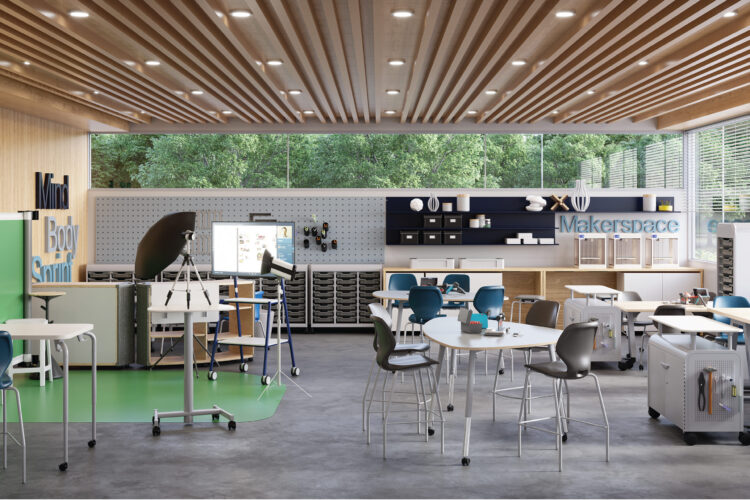
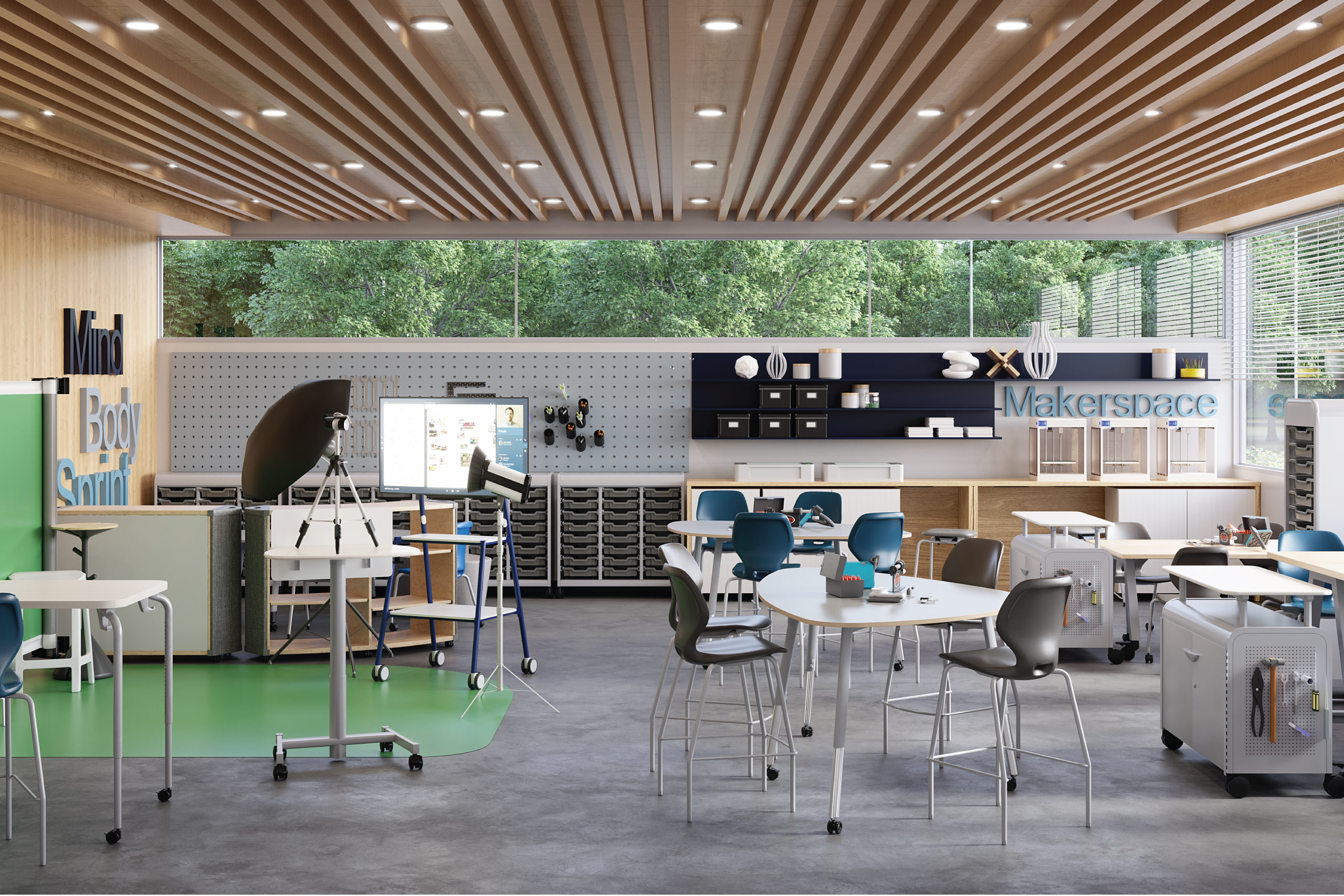
Investing in adjustable-height workstations, mobile seating, and industrial stools allows students to work at their optimal height, whether they are hunched over a circuit board or standing at a workbench. This simple change reduces physical strain, improves concentration, and signals to students that their well-being is a priority.
Fostering Active Minds with Active Furniture
The traditional classroom, with its rows of fixed desks, promotes a passive learning model. In contrast, CTE thrives on hands-on, active learning. This is where flexible, mobile furniture becomes a game-changer. Research from institutions that have adopted "active learning classrooms" shows that the ability to easily reconfigure a space boosts student engagement, participation, and even final grades.
Mobile chairs, collaborative workstations, and mobile storage units allow a class to fluidly transition from a full-group lecture to small-team problem-solving sessions. This flexibility not only supports varied instructional methods but also mirrors the dynamic, collaborative nature of modern workplaces.
Designing for Psychological Impact and Cross-Disciplinary Learning
The look and feel of a CTE space have a subtle, yet powerful psychological effect on students. A well-designed, aesthetically pleasing environment can increase a student's motivation and positive attitude toward learning. When a classroom is bright, inviting, and organized it reinforces a sense of professionalism and pride in their work.
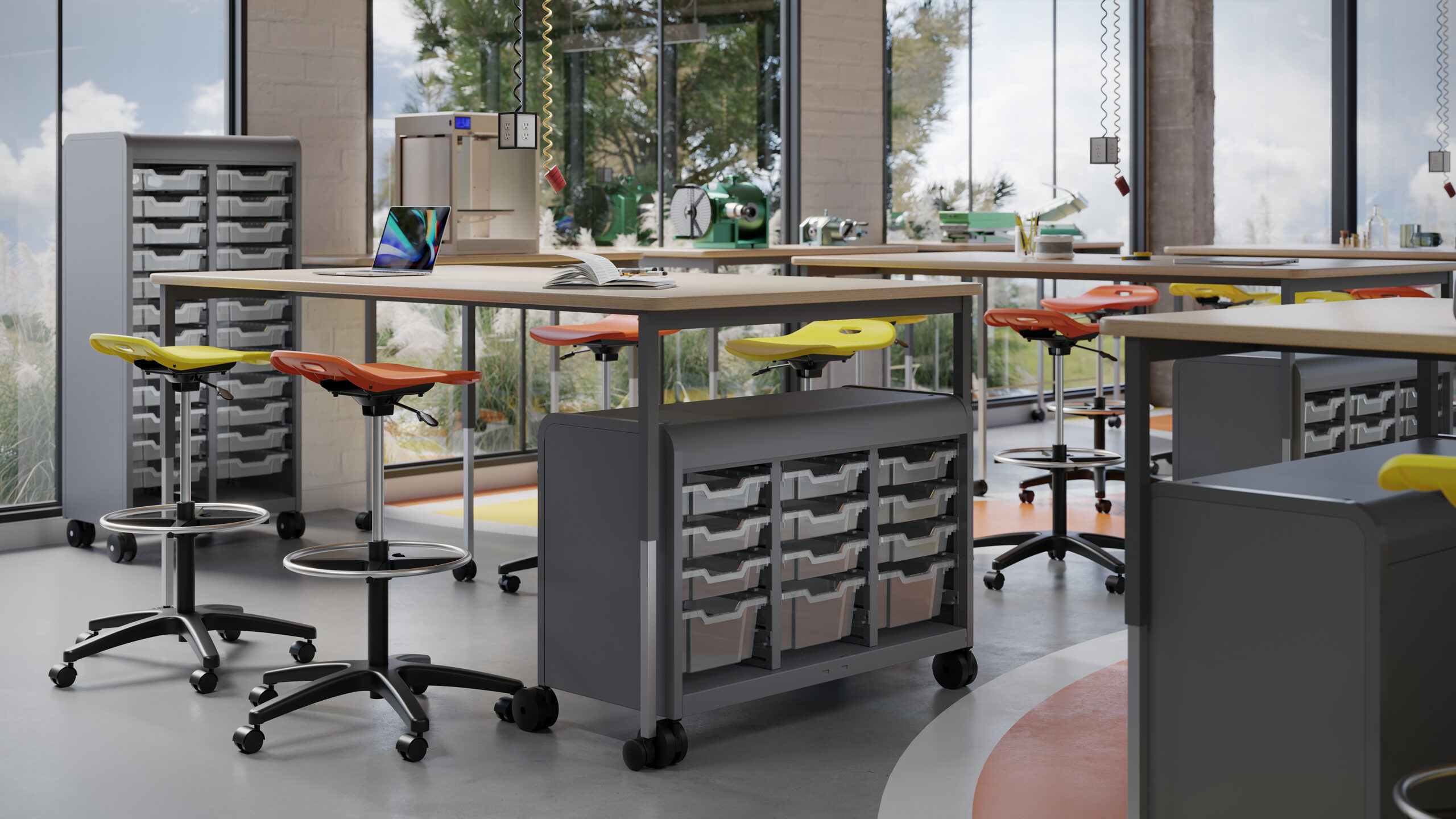
The design of the entire building can become a teaching tool. By strategically locating different labs and classrooms in close proximity—for example, a computer-aided design (CAD) lab next to a 3D printing studio—schools can encourage spontaneous collaboration and cross-disciplinary learning. This "intentional adjacency" allows students to see the full life cycle of a project, from digital design to physical fabrication, and understand how different skills and professions intersect in the real world.
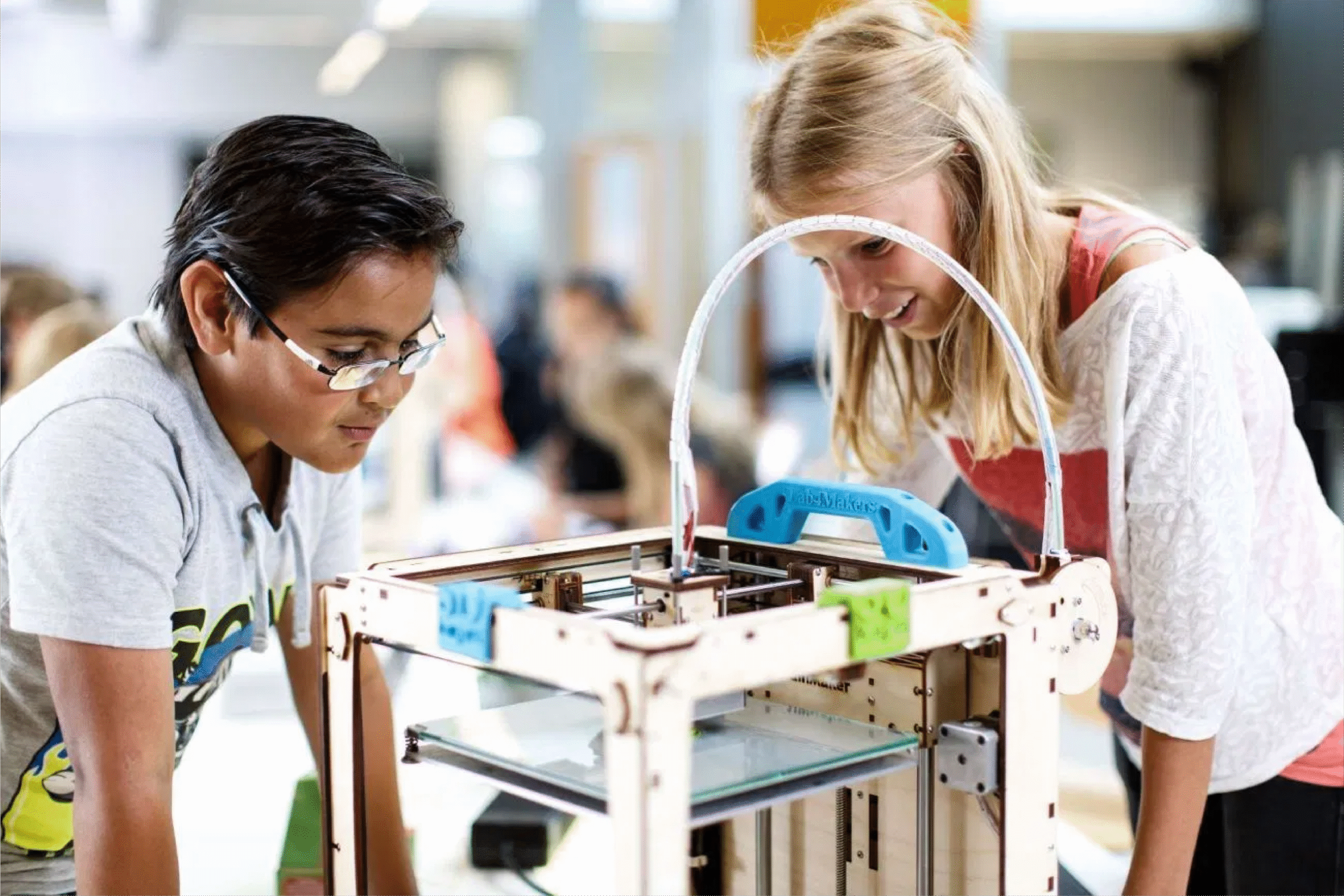
Ultimately, the goal of modern CTE programs is to prepare students to be nimble, well-rounded, and job-ready. The right furniture and thoughtful spatial design are not just supportive elements; they are foundational tools that can empower students to learn more effectively, work more collaboratively, and feel more confident as they step into their future careers.

View our 2026 Catalog
Recent Posts
 Kintsugi Village: Transforming an Abandoned Campus into a Thriving Hub for Children, Creativity & Community in Detroit
 A Grant That Redesigned Learning: Geneseo Elementary
 Future-Ready Learning 2.0: Designing Spaces That Evolve as Fast as Students
 Reimagining the Library: Sierra High School’s Journey to a Flexible Learning Hub
 The UDL Blueprint: Furniture That Teaches and Transforms
 Smith System’s Newest Products for 2026: More Dynamic Furniture Designed to Help Schools Thrive
 The Furniture Formula: How Layout Affects Learning Outcomes
 The Power of Play: Building a Strong Foundation in Early Childhood