Infographic: The Science of Classroom Layout and Design
Why Classroom Design Matters More Than You Think
Changing classroom layout can shake things up and help motivate students. In fact, multiple recent studies have shown that innovative classroom design can actually improve student outcomes.
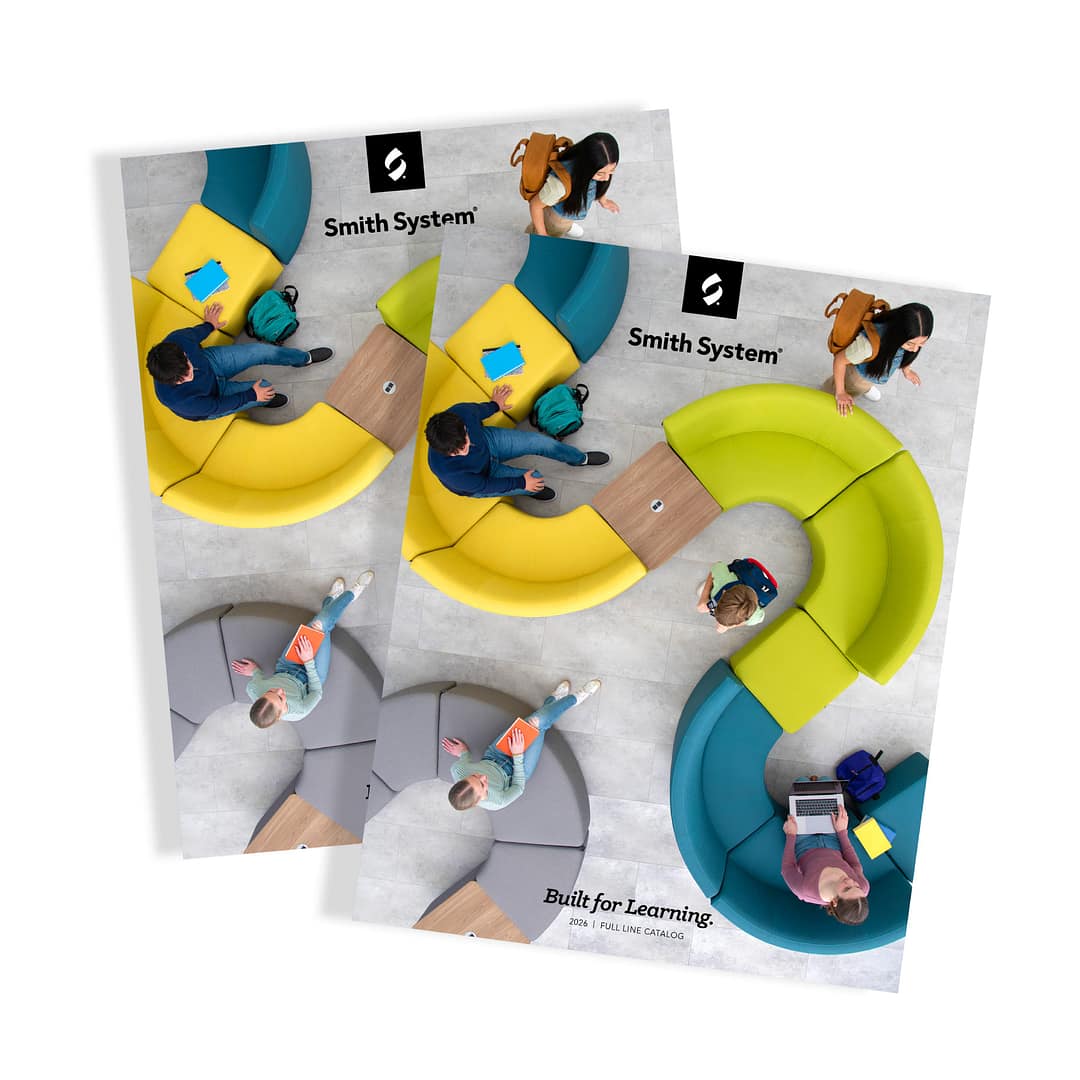
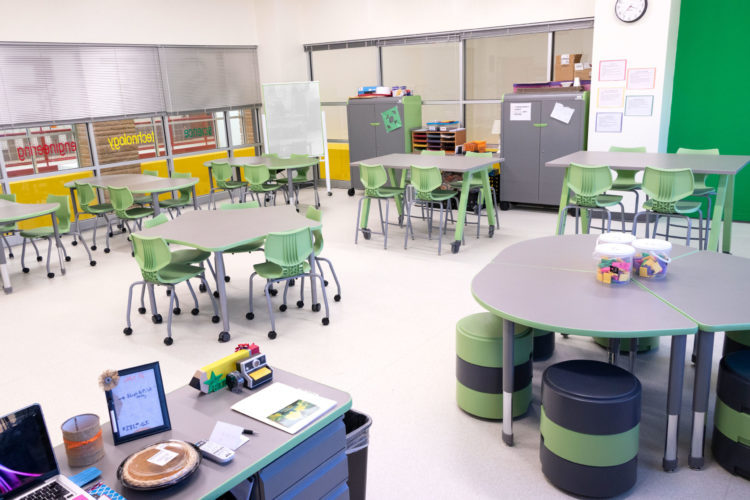
According to a study conducted by researchers at the University of Salford, good classroom design can boost students’ performance by 25 percent. The study measured how many aspects of classroom design affect student learning including lighting, noise levels, air quality, furniture layout and flexibility and storage availability.
To expand on this research, the Rossier School of Education at the University of California created an insightful infographic to illustrate the difference facets of classroom design and how they affect student learning. While the Salford study was a good start, this infographic brings to life in a visual way many similar findings. Like the Salford study, the USC infographic concluded that when high quality classroom design is a major priority for educators, students tend to learn better.
The infographic, which we have embedded below, touches on a variety of classroom design factors, such as layout, color, wall coverage, lighting and digital spaces.

View our 2026 Catalog
Recent Posts
 Smith System Partners with The Design Besties and School Specialty to Bring Grizzlies Prep Library to Life
 Design Without Limits: Creating Schools That Feel Like Home with Custom Materials
 Back-to-School Classroom Tips That Set Students Up for Success
 Designing for Early Childhood: How Environment Shapes the Way Young Children Learn
 The Importance of School Furniture in Inclusive and Special Education Classrooms
 Designing CTE and Makerspaces for Learning Real-World Skills
 Designing Classrooms Around How Students Learn: The 4 Pillars
 Student-Centered Layouts & Storytelling