Student-Centered Layouts & Storytelling
Choosing Furniture That Lets Students Drive the Narrative
Millennial fashion and Gen X vinyl are popular with a lot of teens. But plop a student into a “retro” classroom like what their parents or grandparents had? No way. Today’s learners need modern student-centered layouts, for all the right reasons.
This blog reveals how the classroom layout itself becomes a teaching strategy. Creating a thoughtful student-centered layout empowers authorship, amplifies voice, and transforms a room into a story that students live and thrive within.
Student-centered design continues to show increased learning outcomes for K-12 students. Let’s review:
- Are your classroom layouts outdated?
- Three characteristics of the student-centered layout
- Its educational benefits
- Student-centered layout examples
- Furniture suggestions
Are Your Classrooms Layouts So Last Century?
Let’s start with what might be the most important question. What if classroom design was less about where the teacher stood and more about where students felt most seen, capable, and connected?
That’s the gist of the student-centered classroom layout. It provides the intentional backdrop for student-centered learning where the teacher facilitates strategies like:
- Differentiated learning
- Project-based learning
- Inquiry-based learning
- Collaborative learning
Of course, student-centered teaching and learning doesn’t mean a teacher-free environment. In fact, the role of “teacher as facilitator” is more important than ever. But the opposite of teacher-centered learning, which previous generations endured, not (gasp) enjoyed.
Unfortunately, the latter remains in use by a striking number of educators. Teachers often recreate the same classroom year after year without assessing whether their design guides student learning. That’s according to the Edutopia article, “27 Ways to Optimize Your Classroom Design for Better Learning.”
Its author, Daniel Leonard, provides a research-based lineup of classroom design tips that also apply to student-centered layouts. He debunks the myth about aiming for perfection, too.
"Good classroom design is about more than making things picture-perfect or color coordinated,” Leonard said. “Well-considered classroom design choices should impact learning and have a purpose.”
Three Characteristics of the Student-Centered Layout
Student-centered learning promotes active learning by making students the leaders of their own learning process. It begins with creating the student-centered environment – a spatial layout so impactful that it influences student identity, belonging, agency, and achievement.
“By rethinking your classroom design, you can create a student-centered environment that promotes active participation and a genuine love of learning,” said Jenn Breisacher, a former teacher who founded Student-Centered World to guide teachers in how to create student-centered environments.
Here are key characteristics of the student-centered classroom layout:
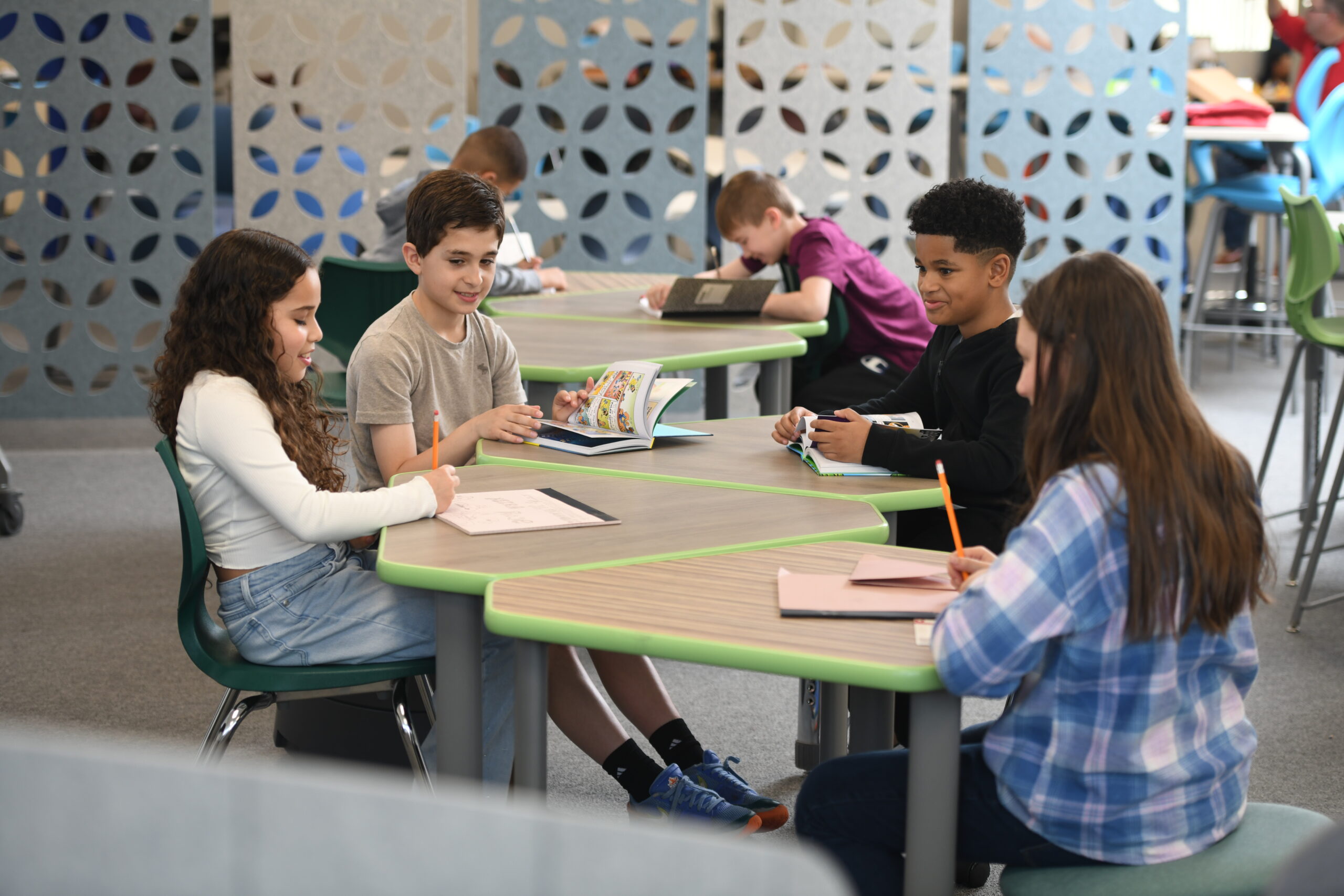
Classroom Design is Flexible – enable students to quickly reconfigure furniture to the lesson and students’ learning preferences.
Classroom Design Offers Student Choice – give students furniture options, in addition to a variety of project topics, ways to complete assignments, and methods to show proficiency.
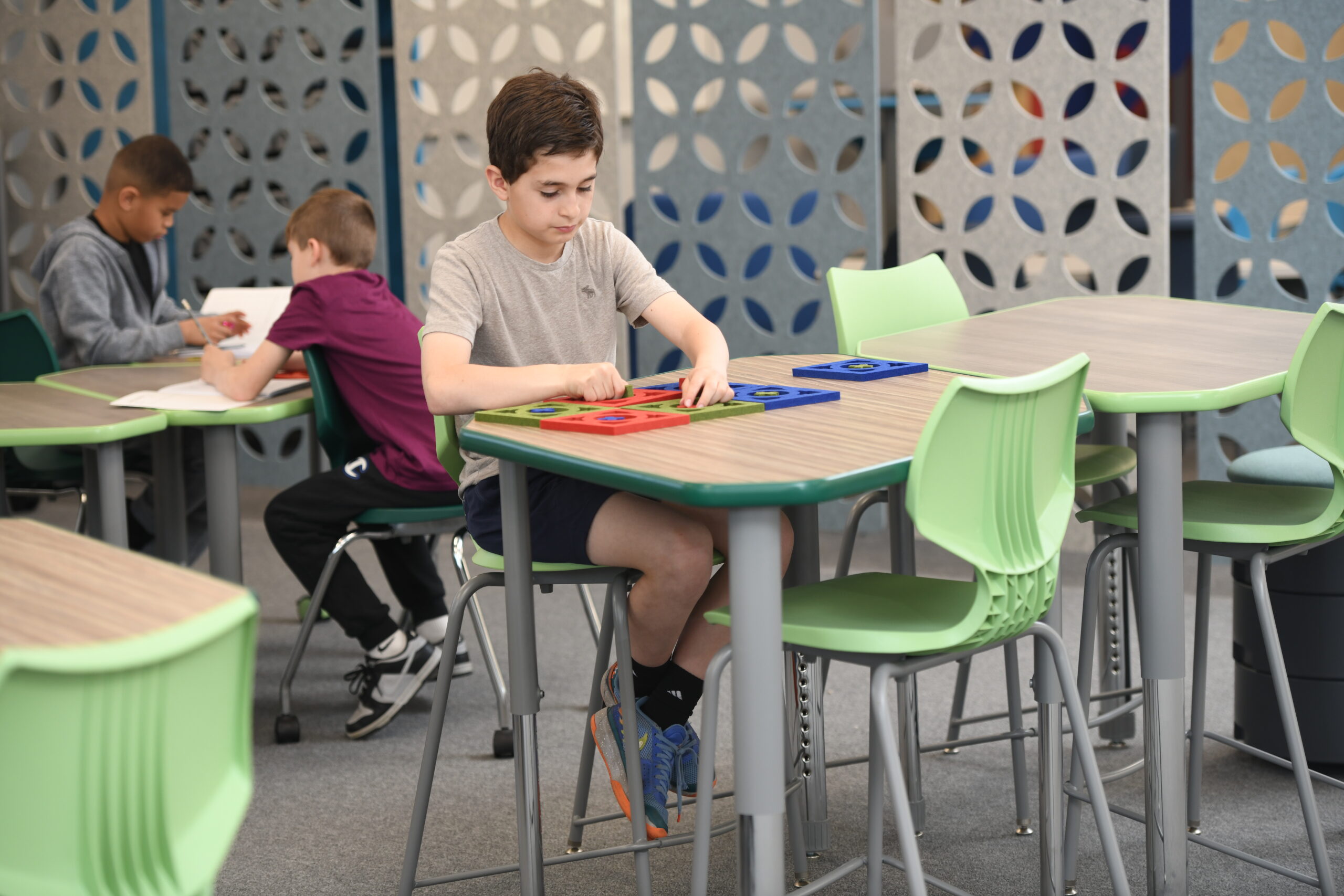
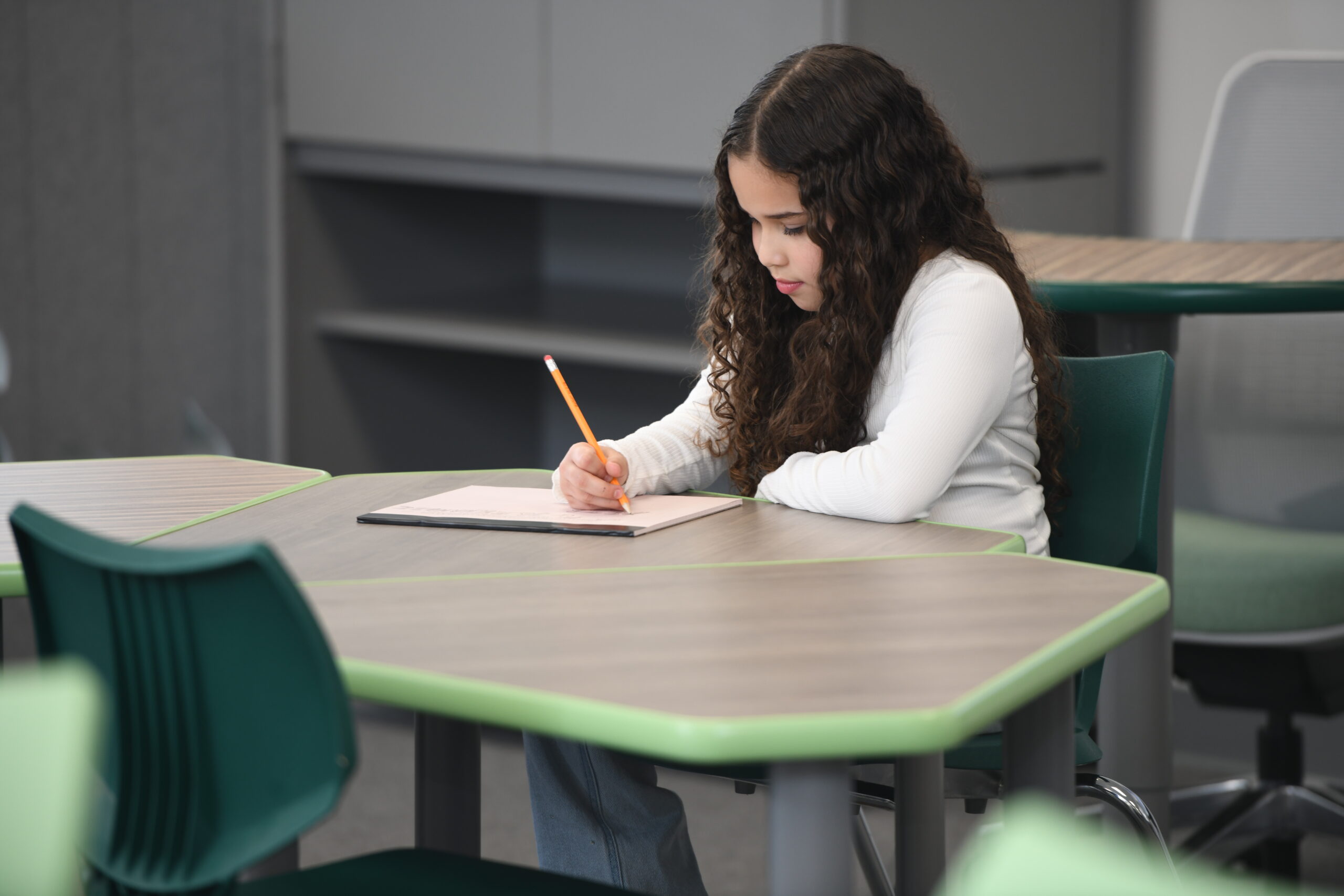
Classroom Design Supports Student Wellness – provide furniture and classroom zones that tend to the whole student, not just advancing their academic scores.
Educational Benefits of Student-Centered Layouts
Fundamental to student-centered learning is the classroom set-up and how educators and students use the space. When done well, student-centered layouts offer a multitude of benefits that extend far beyond academic performance.
Student-Centered Learning: The Ultimate Guidebook from Europass Teacher Academy explained: “Placing students at the heart of the educational process has proven to significantly enhance students’ motivation, engagement, and enthusiasm for subject matter.”
Science agrees. A seminal 2015 study (yes dated, but still relevant) by Peter Barrett in the UK found that personalization factors like flexibility and student ownership account for over a quarter of the academic improvement attributed to classroom design. In other words, when classroom design choices make kids feel comfortable, challenge conventional classroom layouts, and foster a sense of ownership, they can support and improve learning outcomes.
Teachers also benefit from having student-centered layouts. Educators who feel more supported typically have more meaningful connections with their learners. In turn, students report working harder when they have a positive connection with a teacher or other staff member.
“When there’s a teacher that I have a relationship with, I 100% try harder in class. Even if I got no sleep the night before, I’ll stay up for first period because I like the teacher,” a then-senior at Smyrna High School in central Delaware recently told Education Week.
Student-Centered Layout Examples
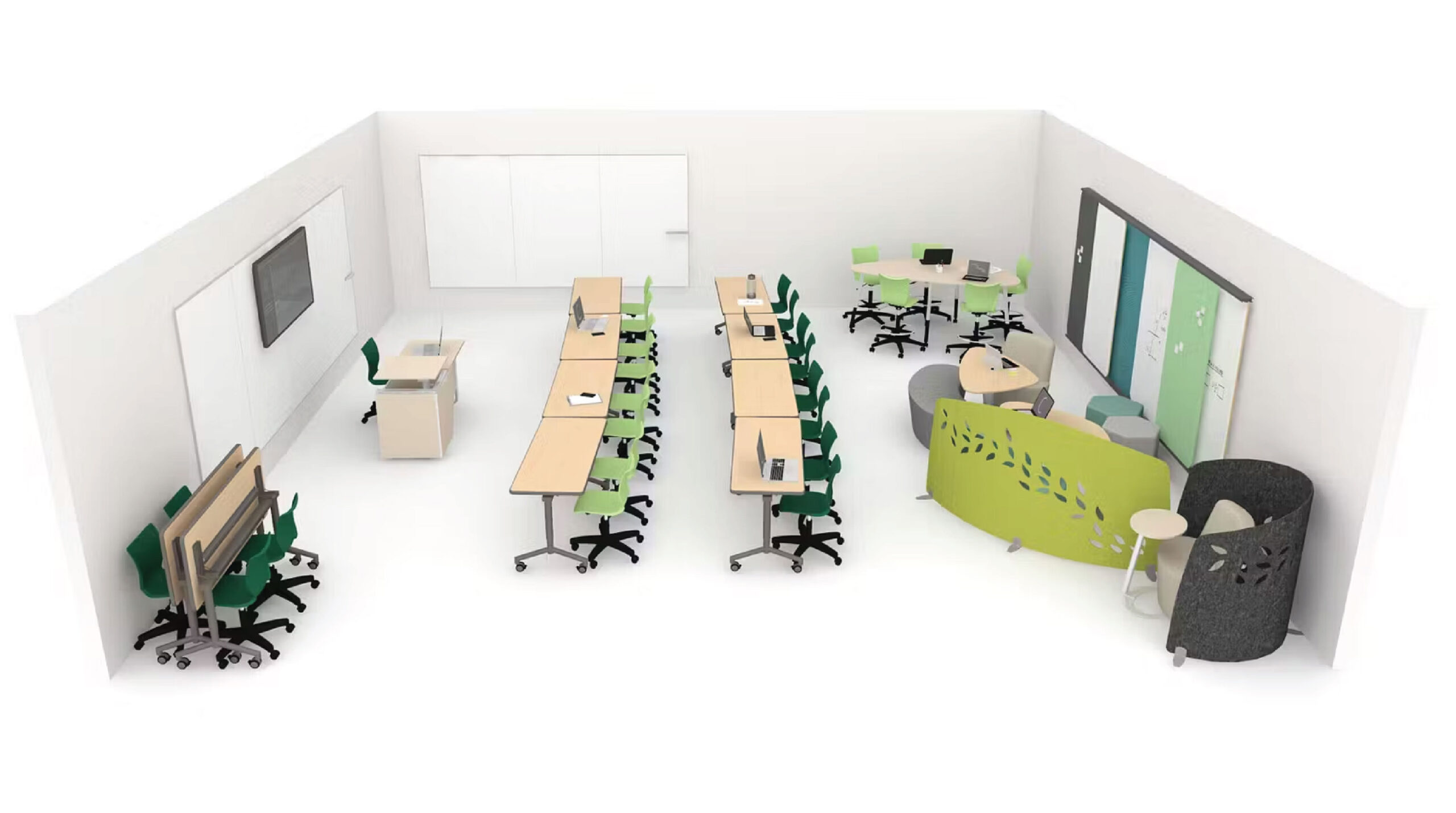
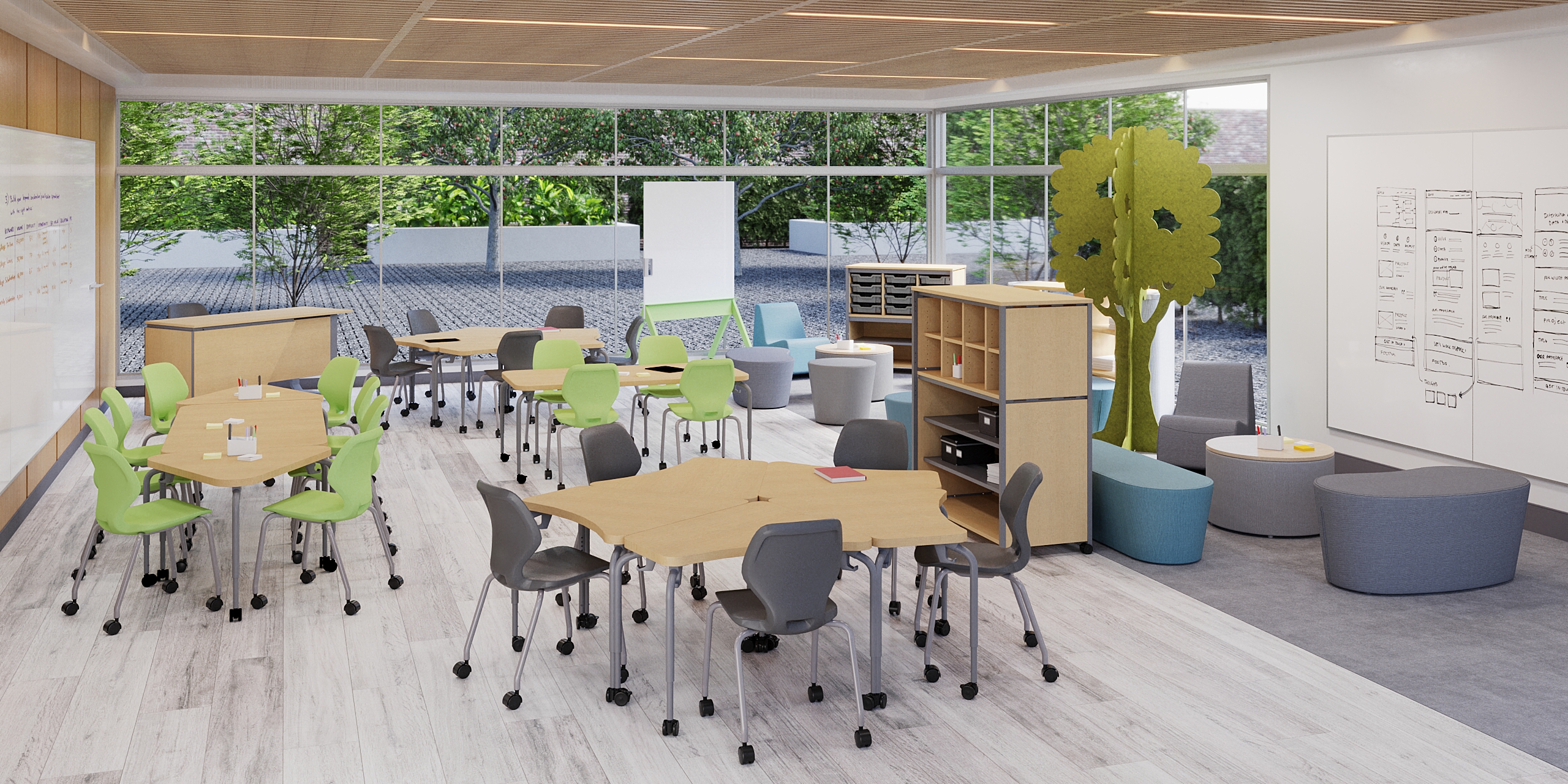
Creating the student-centered layout isn’t just about shuffling rows of desks. But it also doesn’t require a complete classroom overhaul. A focus on intentional spatial storytelling by implementing even small changes can make a significant impact on student outcomes. The environment can visually cue a mix of autonomy, plus focused instruction.
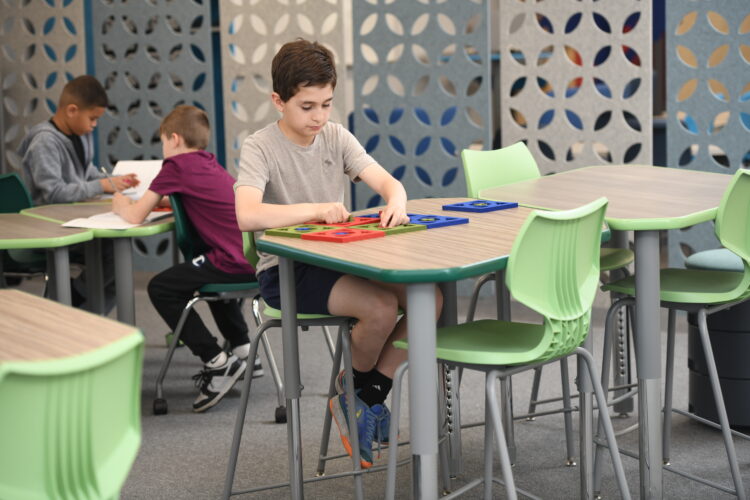
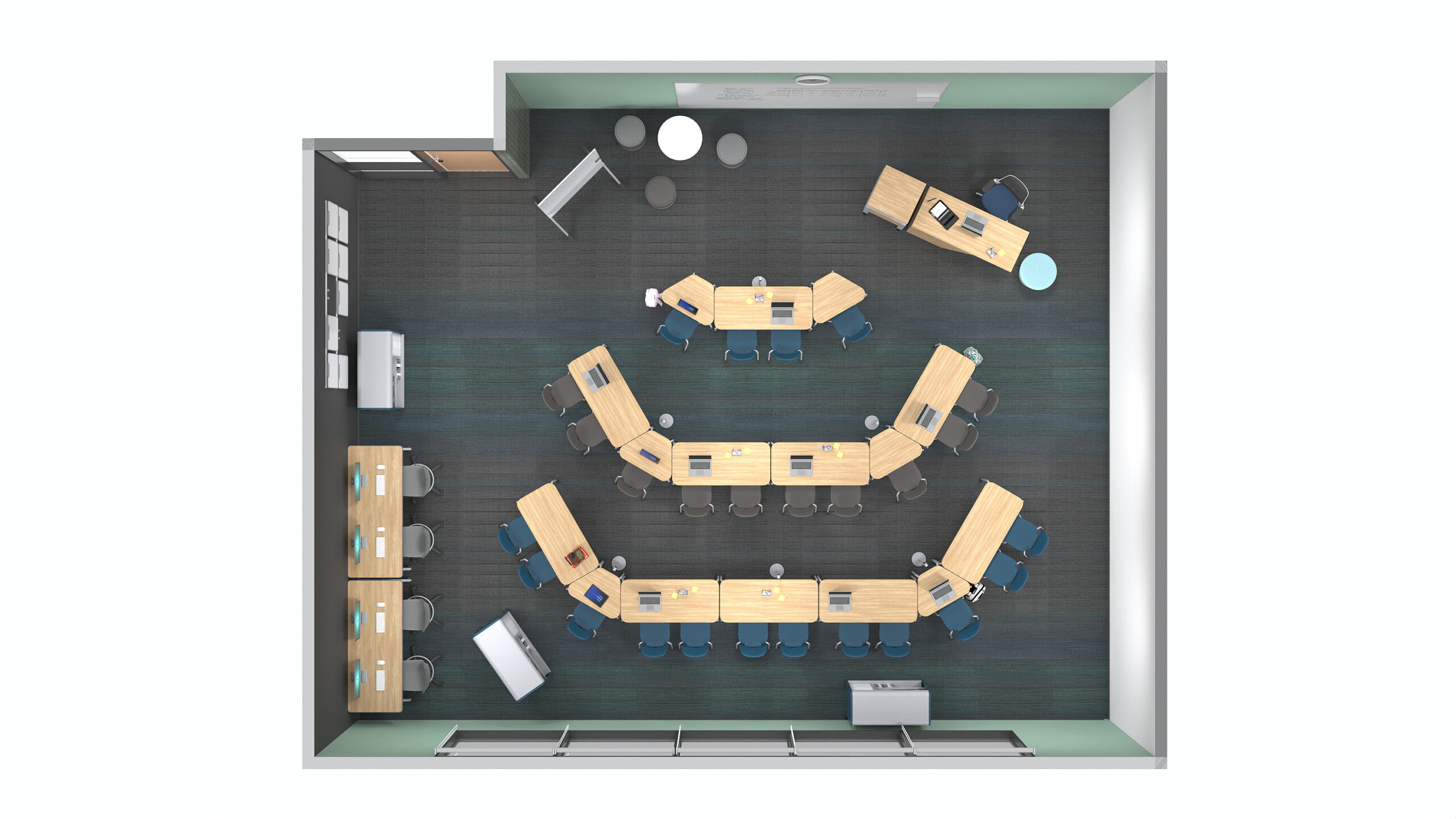
What does a student-centered classroom layout look like? Foremost, teachers are no longer the primary source of knowledge, and memorization isn’t the primary tool. For example, students might be working collaboratively. They’re engaging in real-world problem-solving and developing critical thinking skills with challenging debates. Meanwhile, teachers are weaving throughout the classroom listening, asking questions, and encouraging ideas.
Learner-centered classrooms – both inside and outdoors – are designed to accommodate different teaching and learning formats, including:
 Quiet Nook
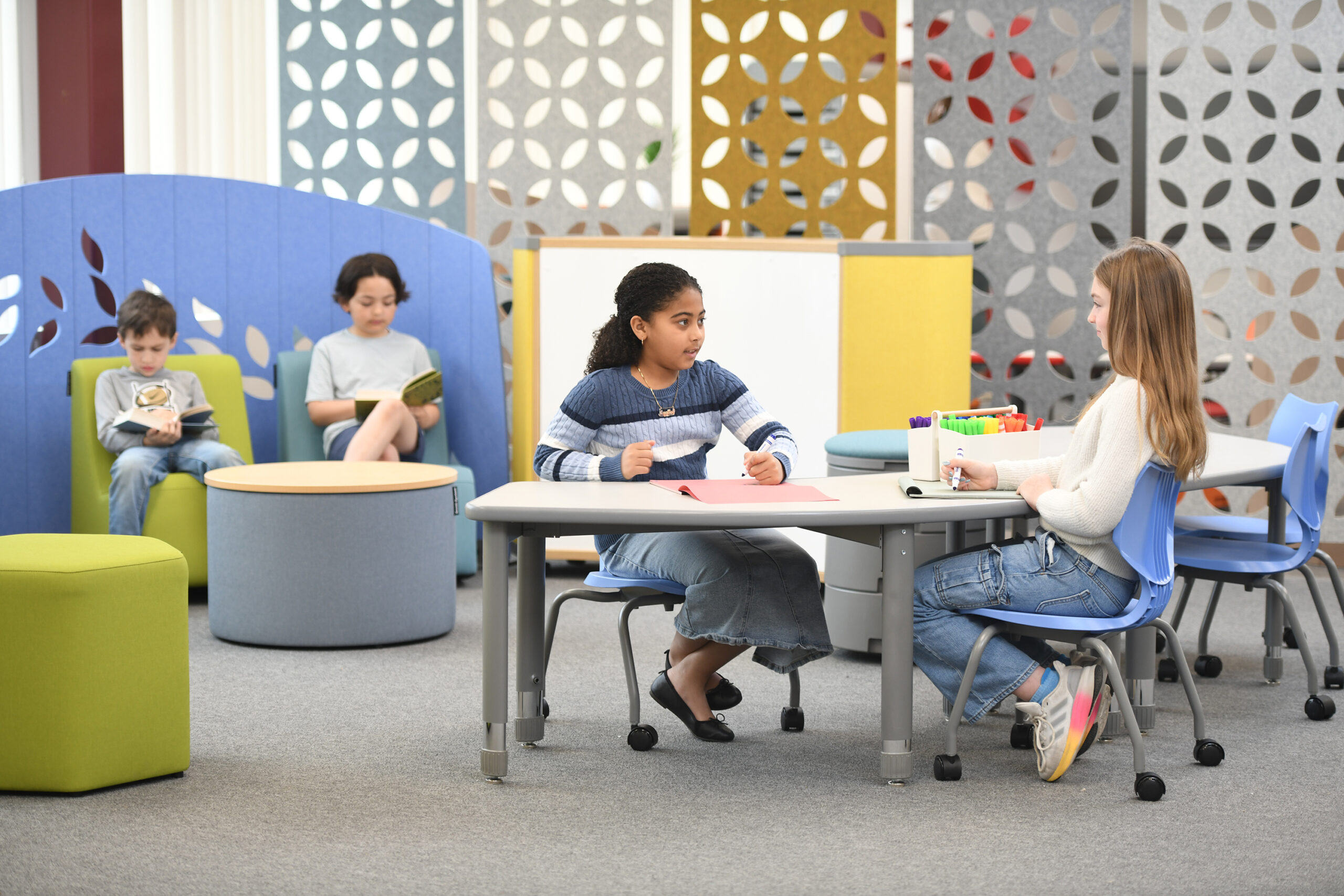
Pods and clusters

Open, tech-connected spaces
Furniture Tips: Set the Storytelling Stage
Schools won’t have to commit to a total classroom overhaul. Educators can set the stage for intentional spatial storytelling by making modest furniture adjustments. Smith System offers these recommendations:
Seating.
Smith’s highly versatile Flowform® upholstered seating options fill the need for comfort and maximum flexibility. Nimble pieces are easy to reconfigure on the fly, while still providing sound ergonomic support. Here’s an overview:
- The original Flowform line offers both straight and curved “bean” benches for seating one or two students, plus stools, ottomans, and Smith’s popular Flowform® Soft Rocker.
- Flowform® Learn Lounge helps schools create the next generation of relaxed learning areas with multifunctional single and double soft seating that includes back support.
- Flowform® Modular Seating lets educators hyper-customize their upholstered seating configurations to nearly any lesson. The line includes modular straight and curved seats, as well as wedges to creating everything from circle groupings to undulating “S” set-ups.
- Flowform® Outdoor includes soft, but durable, outdoor benches and stools in organic, loose-fit shapes that help students settle into fresh-air learning.
Numbers™ Chairs on casters or glides offer several options for more traditional school seating. Chairs and stools (both fixed-height and adjustable) are ergonomically sculpted for good posture, but with enough flex and “right” angle to let kids turn, twist, and fidget into their favorite position.
Desks.
Our Numbers™ line offers several options for versatile student desks and compact tables, each with a broad adjustable range. And, desks can flip between glides or casters for easy wheelbarrowing into place.
Group Tables.
Smith System offers a large selection of communal school tables and meeting tables for nearly any task – classrooms, science labs, media centers, makerspaces and more. Choose from geometric and uniquely organic shapes; many have optional power.
Storage.
Student-centered layouts are creative spaces. But visual clutter can overwhelm still-developing brains and challenge students’ ability to ignore distractions. Mobile Cascade® Storage cases, cabinets, towers, wardrobes and cubbies keep resources accessible and tidy.
See this recent blog, Smith System’s Newest Products for 2026: More Dynamic Furniture Designed to Help Schools Thrive
Transform Your Retro Classrooms into Remarkable Layouts
There are no “good old days” when it comes to student-centered layouts and spatial storytelling spaces. It’s imperative to choose modern school furniture that fully supports student-centered learning. That means pieces that empower students to own their educational experience and support teachers to seamlessly facilitate it.
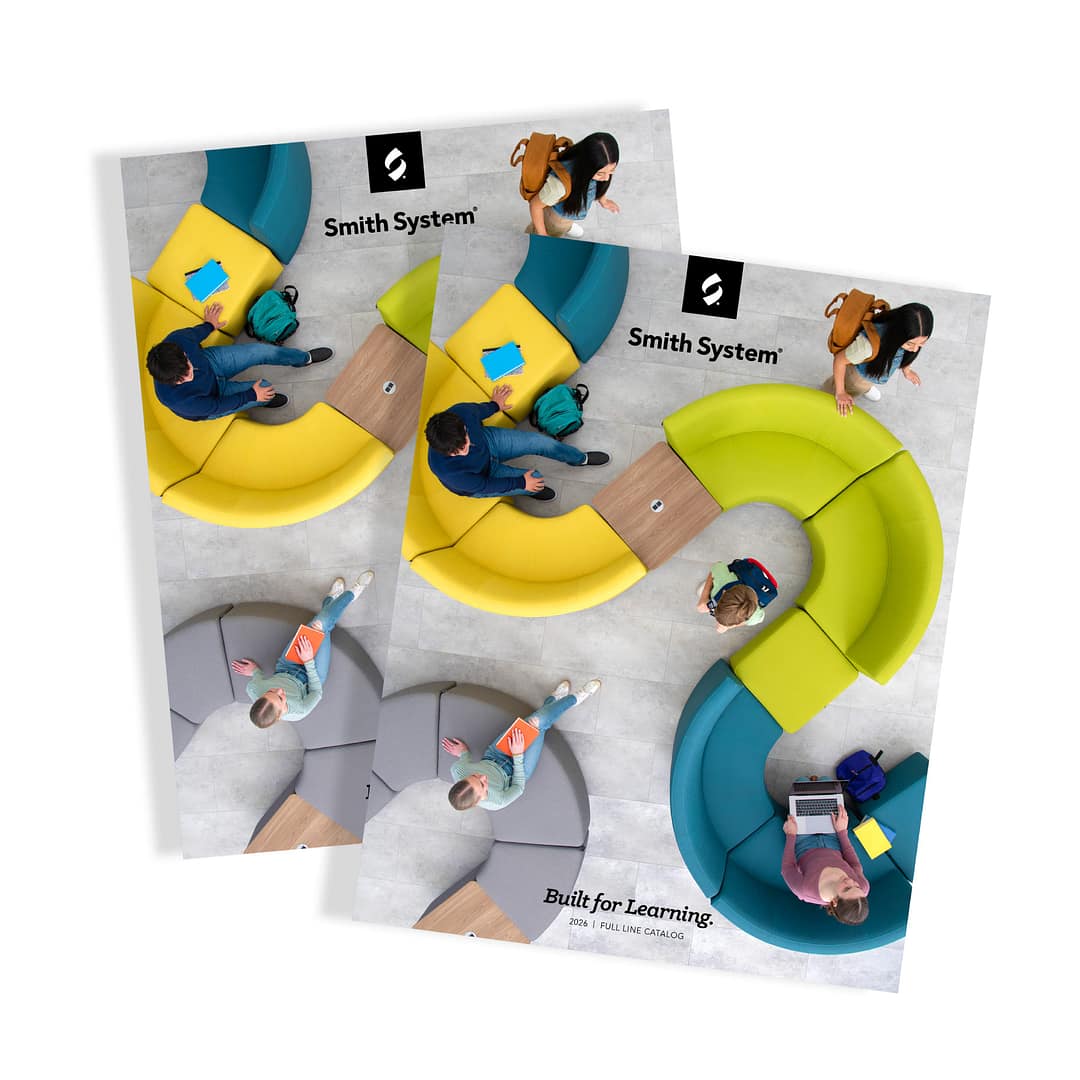
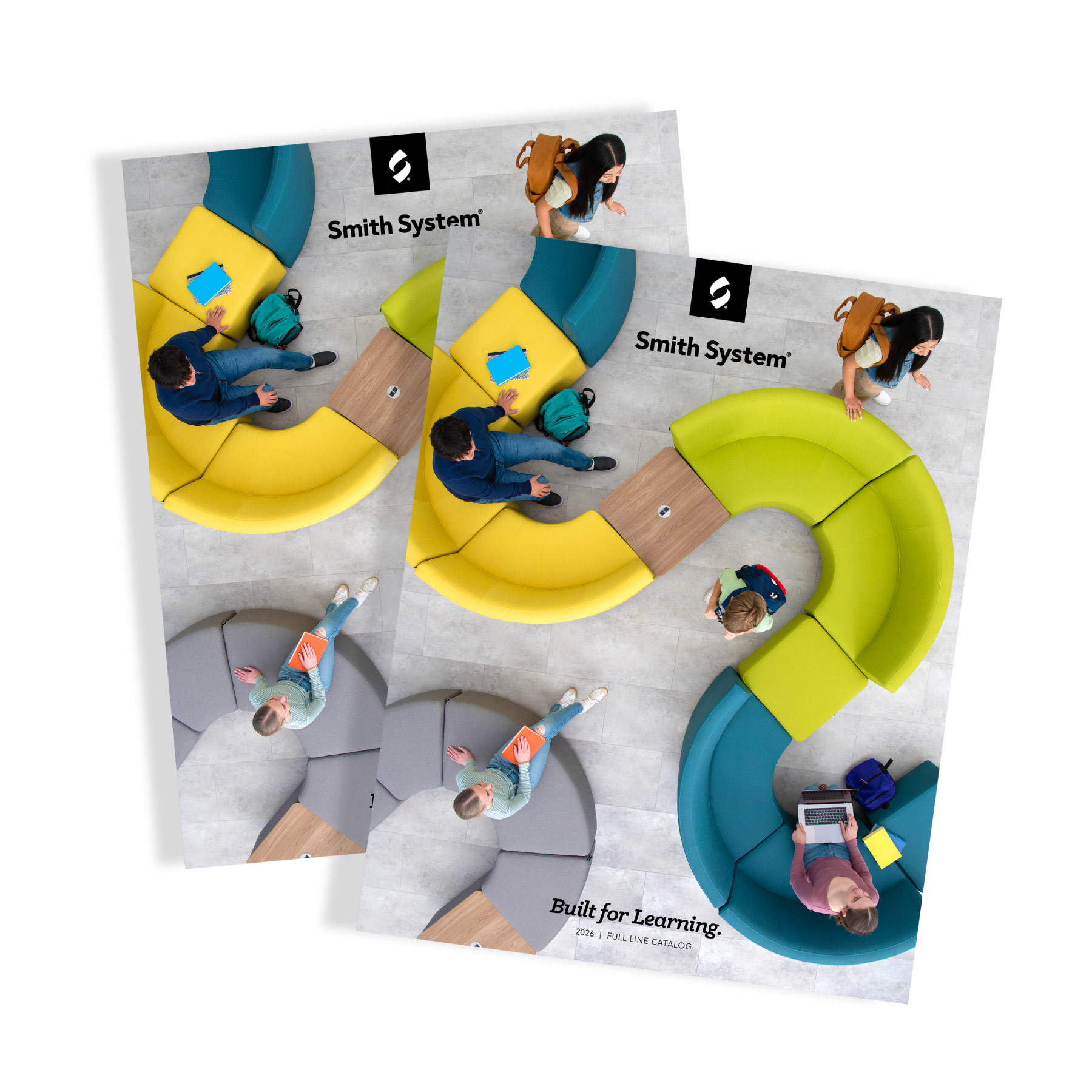
If your classrooms layouts are stuck in the last century, see Smith System’s latest catalog. Our preK-12 furniture offers limitless options to transform any learning space into a storyland where students can be their best.
View our 2026 Catalog
Recent Posts
 Smith System Partners with The Design Besties and School Specialty to Bring Grizzlies Prep Library to Life
 Design Without Limits: Creating Schools That Feel Like Home with Custom Materials
 Back-to-School Classroom Tips That Set Students Up for Success
 Designing for Early Childhood: How Environment Shapes the Way Young Children Learn
 The Importance of School Furniture in Inclusive and Special Education Classrooms
 Designing CTE and Makerspaces for Learning Real-World Skills
 Designing Classrooms Around How Students Learn: The 4 Pillars
 Designing for Decades: The Future of Sustainable Learning Environments