Designing for Decades: The Future of Sustainable Learning Environments
Designing sustainable, long-life learning environments starts with a simple but critical question: will today’s furniture support tomorrow’s learning? In K–12 education, where spaces must adapt to evolving teaching methods, student behaviors, and technology, durability alone isn’t enough. The right furniture must balance longevity, flexibility, and real-world performance—supporting how students move, learn, and engage every day.
In this conversation, industry experts share how thoughtful design, quality materials, and a deep understanding of student use can transform furniture into a long-term investment in both sustainability and student success.
Meet our Two Furniture Gurus

Chip McLellan

Shawn Collins
Chip McLellan is Director of Sales with Learning Interiors based near Boston, Massachusetts. Chip comes from a long line of teachers.
Shawn Collins is Regional Sales Manager with Smith System out of New Hampshire. He’s a former eighth-grade teacher.
Trust us, these guys known the educational furniture industry inside and out. Combined, they have over six decades of experience.
In the context of preK-12 school furniture, how do you define “sustainable, long-life learning environments”?
Shawn: Use furniture as a long-term model. Will it sustain its intended use over time? Schools and teaching methods evolve, can your space adapt with them? A building designed to last 50 years should be paired with furniture that is just as durable and flexible.
Sustainability also plays a role. Prioritizing locally sourced materials helps reduce environmental impact while supporting long-term value.
Are “sustainable” and “long-life” separate topics? Are they interrelated?
Chip: In good PreK–12 furniture design, the topics are deeply intertwined, more than in any other furniture segment. In education, what matters to customers is durability that reduces replacement cycle. The longer furniture lasts, they [schools] buy less, they throw away less, and they stretch budgets further. That’s the most practical form of sustainability.
Chip, it sounds like you mean quality. Can quality furniture offer benefits beyond durability and longevity? Can it impact learning outcomes?
Chip: Yes. Many schools only get funding once for a big expenditure. But, for example, a chair is not just a place for students to sit. It’s about learning outcomes. You need to ask, “How does this furniture, space and technology drive student success?” Space shapes behavior; furniture influences how learning happens, and technology extends access and strengthens engagement.
In terms of quality, is it realistic to think that a piece of Smith System furniture could last 50 years?
Shawn: I’ve seen it. It’s all about how it’s built, and will the company be around to service it. That’s what Smith System is known for.
We know students are tough on school furniture. What grade levels are the toughest and how so?
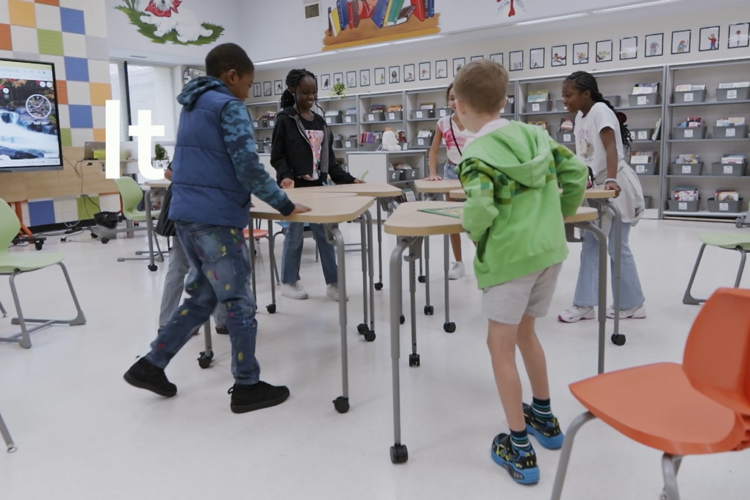
Shawn: Every grade level has its own challenges. For PreK and kindergarten, cleaning and sanitizing furniture is important. In the 3–6 grades, kids might be more destructive, like peeling off table molding out of boredom or standing on chairs. In upper grades, kids are sitting on tables, roughhousing around furniture, or maybe doing purposeful damage.
Chip: My research shows – and I was surprised by this – that K-3 has the highest impact on furniture. There’s constant moving, wiggling, rocking/tipping or dragging chairs, accidental misuse, and all the different turn-over activity. So the furniture has the most frequent varied stress.
Considering that, how can schools select school furniture that will last? Where does quality matter, and what features are most prone to wear out?
Shawn: The edge-banding and surfaces on desks and tables. When I’m walking through a school that’s looking to buy new furniture, nine times out of 10, that’s where we see wear and tear, especially if the school didn’t start with very durable furniture. Glides on chairs wear down, too.
Chip: When you talk about the high-wear items … it’s about touchpoints and movement aspects. I see wear with glides and casters, anything around hinges and moving joints, laminate surfaces, seatpans and edges, and fasteners. For upholstered furniture, it’s zippers and how well fabric stands up to cleaning and moisture.
Shawn: Each one of these is a selling point for Smith System. For example, we’re the only company that has a mechanically fastened edge band, so it’s virtually impossible for kids to pull it out.
How does good design help maximize the lifespan of school furniture?
Chip: Good design isn’t just making furniture look better. It’s about extending that functional life for a lower cost of ownership. That’s really the sustainability part.
A real key factor here is that Smith System anticipates real-world student behavior. They study and design to how students fidget, move, their interactions – how they sit, lean, rock, whatever. Smith understands where the stress points are in furniture.
Shawn, can you give a few examples of Smith System furniture that demonstrate a strong mix of functionality and durability?
Shawn: I’d say Flavors® Seating, with a 360-degree sit. We know students are going to sit forward, backward, etc., so instead of having unnecessary wear and tear, we build for that behavior – and warranty for it.
Our classroom tables are very popular, too, because most of our lines have the option to add casters or glides. That prevents damage from dragging the table.
What physical features help maximize the lifespan of school furniture?
Shawn: Having nice design finishes – really durable ones – these are the things you should think about in terms of, for example, how long a chair will last. Most school furniture looks great the first day, no matter what you spent. But came back in six weeks and see what happens.
Chip: Well said, Shawn.
Buying school furniture often includes many decision-makers. How do their interests differ, and how do you manage that?
Shawn: Up here in New Hampshire, funds don’t come around often. Superintendents get that, so they’re looking for quality. Teachers look at useability in the classroom and aesthetics.
Facilities people want everything stackable and on wheels to make floor maintenance easier.
Chip: Different stakeholders have different criteria. Teachers know what furniture is intended to do versus how students use it. We ask, “What are the behaviors you’re trying to support in the classroom, and how can the furniture support those behaviors – even drive those behaviors?” We also want to provide a variety of posture options, like sitting, standing and lounge.
Schools are adding more modular lounge-style soft seating and sectionals, like Smith’s new Flowform® Modular Seating. Can soft seating deliver durability and versatility?
Shawn: Yes. Over the past decade, I’d guess soft seating gets thrown out most, because, unlike ours, most of it isn’t built to last. Smith System furniture, including soft seating, is built in Texas using very solid construction. The frame is really tough. Our fabric is not just vinyl, but a durable vinyl woven fabric that wears extremely well and won’t peel or fade.
Chip: We talked about durable, but there’s also the multipurpose aspect, the configurability. Every space now has to be multipurpose, because space is limited. Lounge furniture allows that. The modular shapes can adapt to new layouts – be individual pieces or grouped together. A lot of times, students configure it to what they need – to perch, lounge, collaborate. They might recline and rest.
Is lounge-style furniture increasing in schools? Where does it appear?
Shawn: Upholstered furniture is relatively new in education. You rarely saw upholstery 10 years ago, and now it’s become very prominent.
Chip: Yes, particularly, in K-5 classrooms, as students rotate through zones. As you go up in grades, the lounge furniture is put in media centers, student lounges, libraries, hallways and in between spaces. The higher-grade classrooms tend to have more rigid, structured furniture.
How does technology impact school furniture’s longevity and potential obsolescence?
Shawn: Advances in technology – now there’s no need for wires – has freed-up furniture design. When tech was first introduced in classrooms, desks had to be in a certain place. Displays had to be on certain walls. Casters were inconceivable.
Shawn, do any other Smith System products immediately stand out for their durability and timeless design?
Shawn: Our soft rockers are very popular. They’re durable, despite being dragged, kicked and rolled. Smith System’s traditional school seating and school desks are going to last forever. We bet on that with our warranty. Our PET acoustical screens – made, in part, from plastic soda bottles – really stand up, too.
How important is the furniture itself versus its manufacturer?
Shawn: We tell everybody, focus less on the product you’re buying and more on the company that you’re buying it from. How long have they been around? Do they care about the environment? Where are they manufacturing? Really think about who you’re partnering with so you get good furniture that’s good for the environment, it’s going to last, and it’s healthy for students.
Chip: The top manufacturers in K-12 furniture understand the priority of supporting the warranty. Smith System is manufactured in Texas, not imported. When you import, that creates a different set of guidelines about use of sustainable materials, durability and repairability.
Speaking of repairs, how does Smith System rank in terms of availability and ease of getting replacement componentry, if needed?
Shawn: Smith makes it very easy to replace components. I don’t know about our competitors, but bargain-basement furniture is single-state; you can’t replace [components.]
Chip, in your work as a furniture dealer, what’s the biggest mistake you see schools make when evaluating furniture for longevity?
Chip: Budget constraints drive decision-makers toward low upfront costs, which often negatively impacts long-term replacement costs. In addition, the stakeholders who understand how the furniture will be used [teachers] may not be involved in selecting the furniture.
Ultimately, selecting school furniture is about more than checking a specification box—it’s about choosing a partner and a philosophy. When schools invest in well-designed, durable, and adaptable solutions, they reduce waste, extend budgets, and create environments that truly support learning over time. By prioritizing quality, understanding student behavior, and planning for flexibility, districts can build spaces that evolve alongside education itself—ensuring every classroom remains ready for what’s next.
Thanks, Chip and Shawn! You’ve offered excellent insights on durable school furniture that’s built for long-life and, in turn, sustainability.
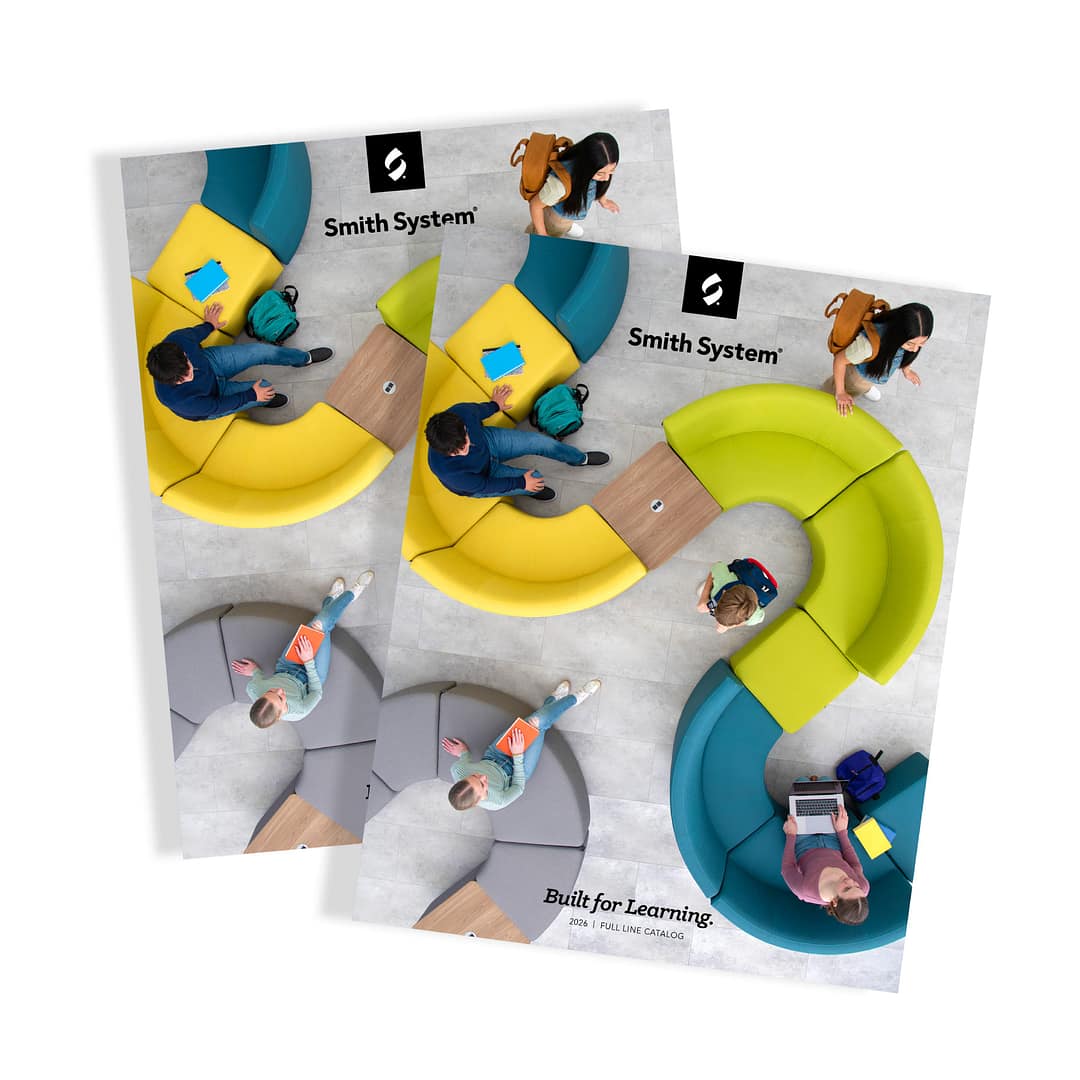
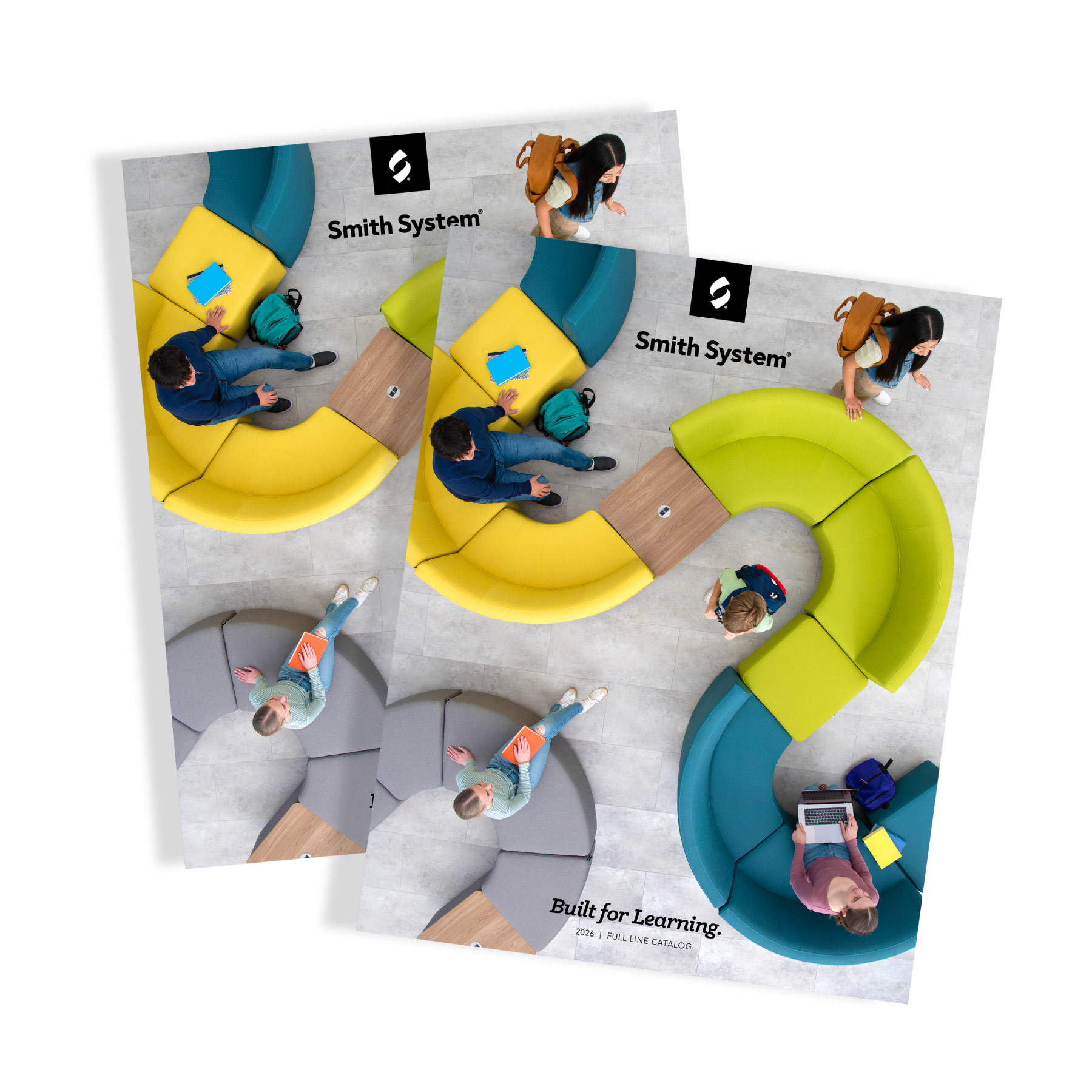
View our 2026 Catalog
Recent Posts
 Smith System Partners with The Design Besties and School Specialty to Bring Grizzlies Prep Library to Life
 Design Without Limits: Creating Schools That Feel Like Home with Custom Materials
 Back-to-School Classroom Tips That Set Students Up for Success
 Designing for Early Childhood: How Environment Shapes the Way Young Children Learn
 The Importance of School Furniture in Inclusive and Special Education Classrooms
 Designing CTE and Makerspaces for Learning Real-World Skills
 Designing Classrooms Around How Students Learn: The 4 Pillars
 Student-Centered Layouts & Storytelling