Kintsugi Village: Transforming an Abandoned Campus into a Thriving Hub for Children, Creativity & Community in Detroit
Kintsugi Village emerged from the deep partnership and shared purpose of co-founders Paul and Hamsa, longstanding collaborators from Small Giants Community who asked a simple but profound question: Where can we use our experience to make a meaningful difference? This led them to Detroit, where they chose adaptive reuse of a vacant school building in Corktown over new construction, honoring the history of the place while reimagining its potential. This process mirrors the Japanese philosophy of kintsugi, the art of repairing broken pottery with gold, embracing imperfections and celebrating strength born from restoration.
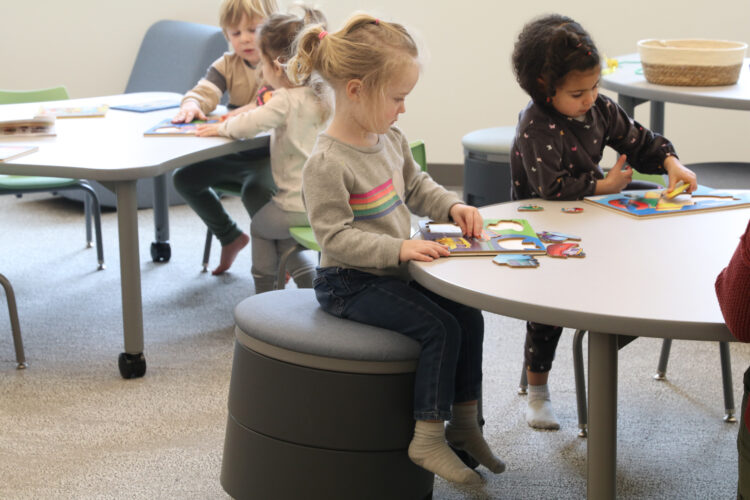
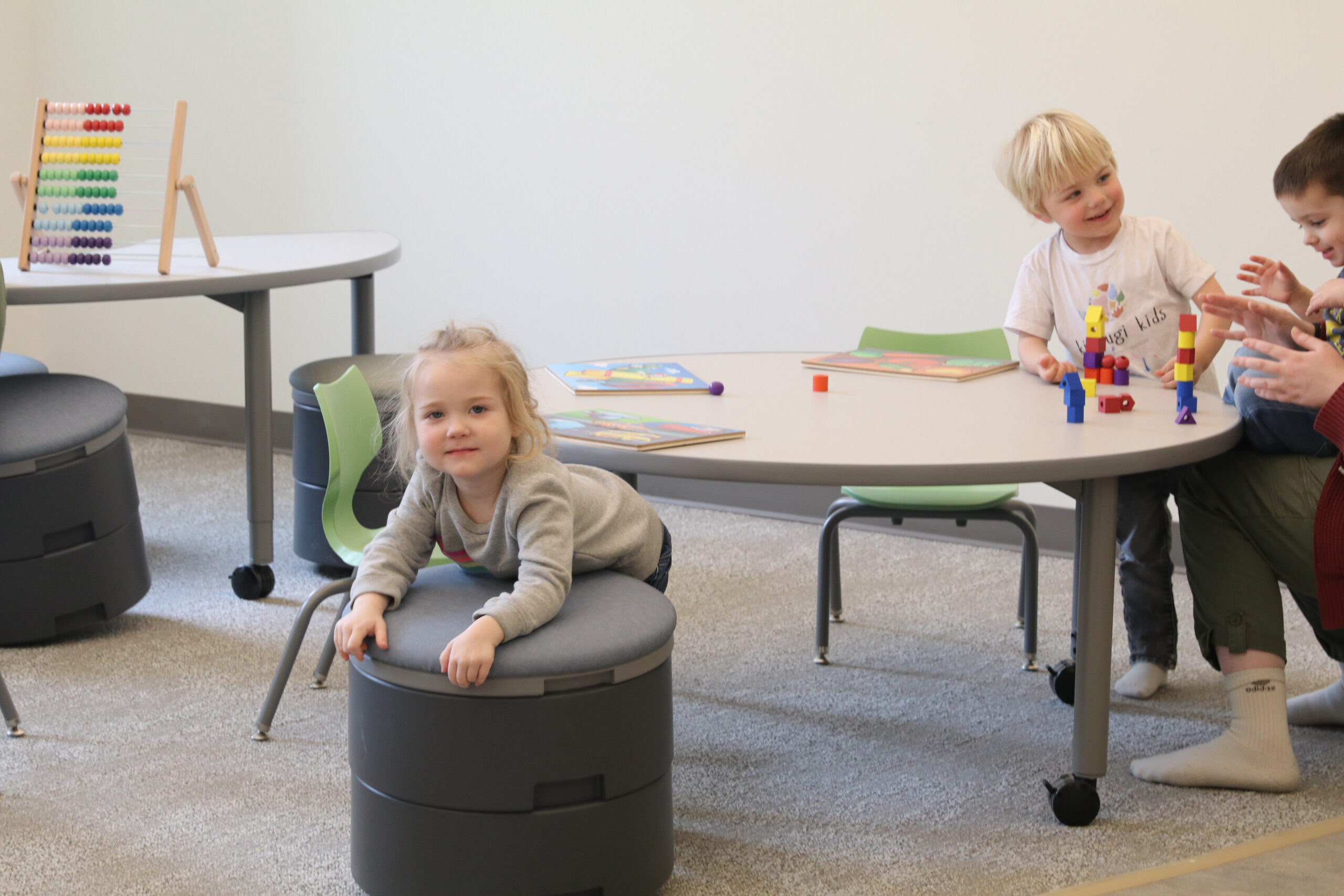
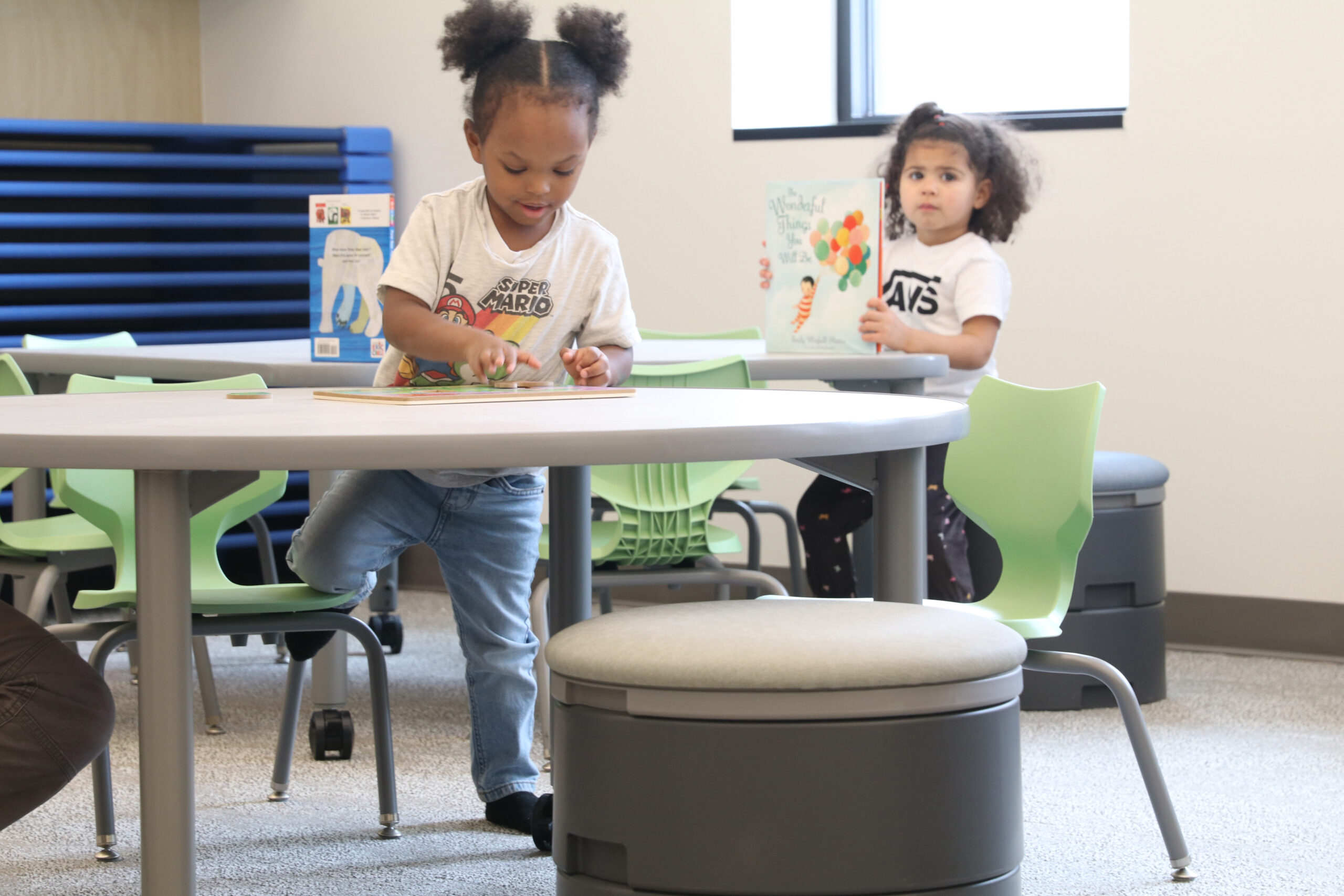
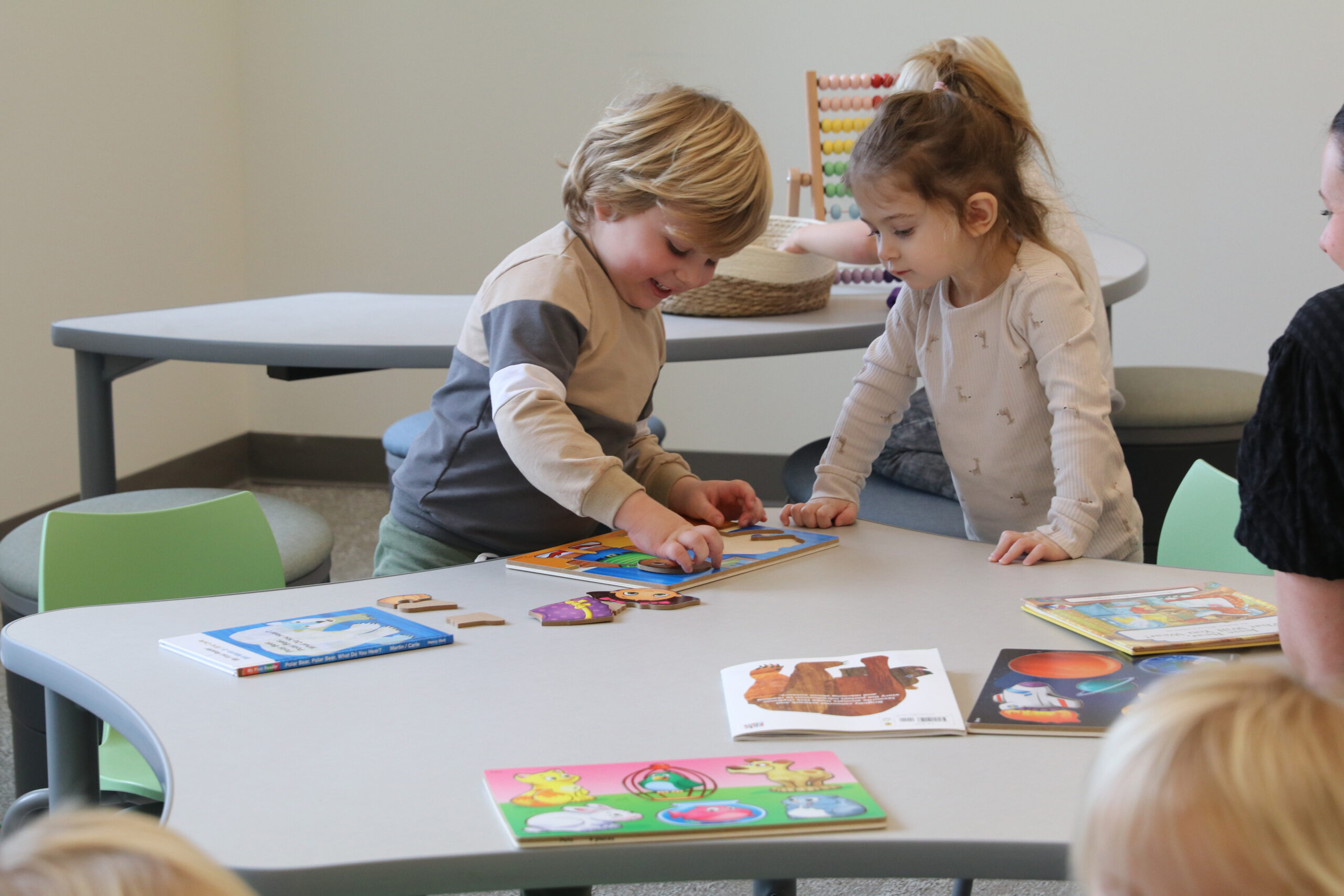
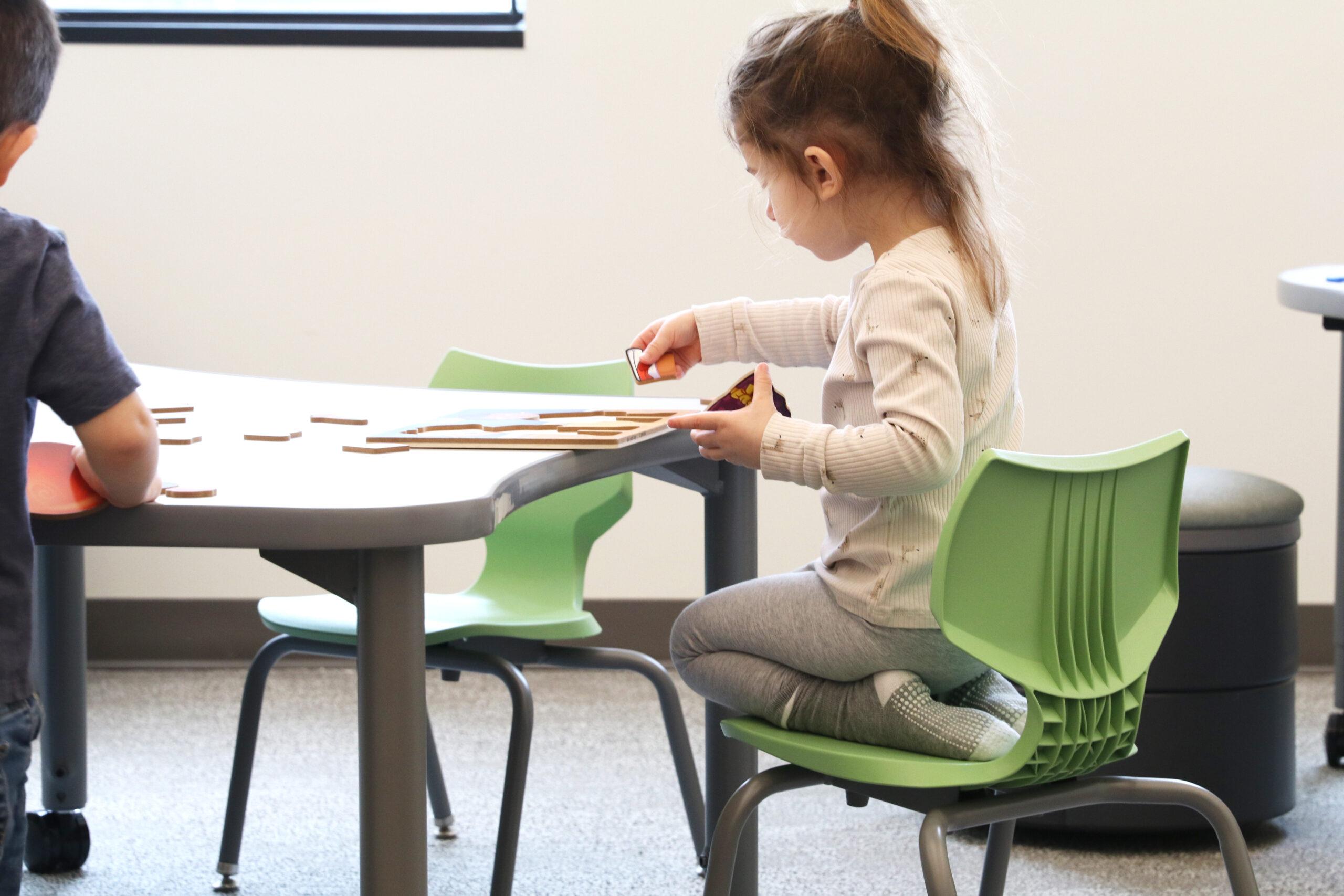
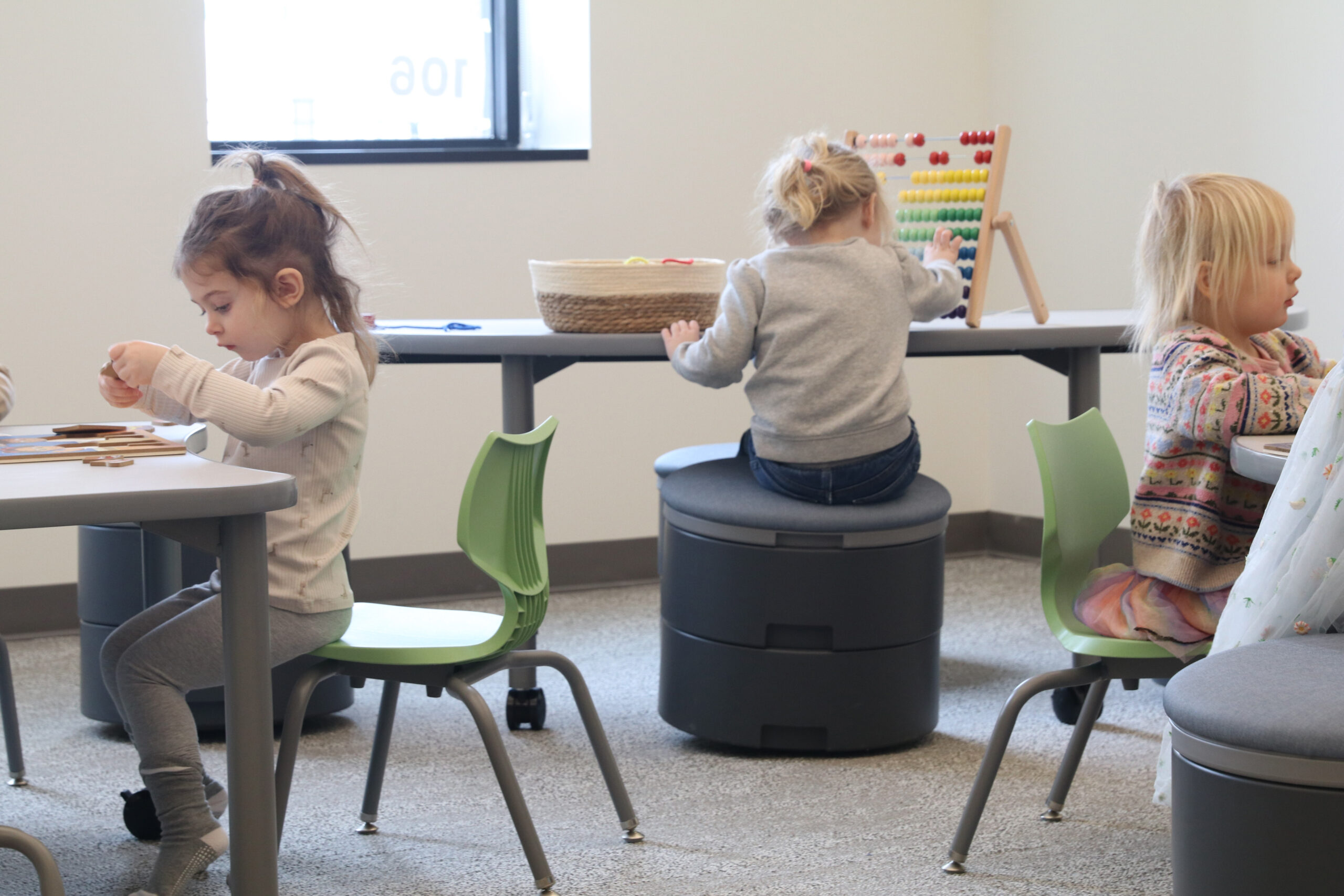
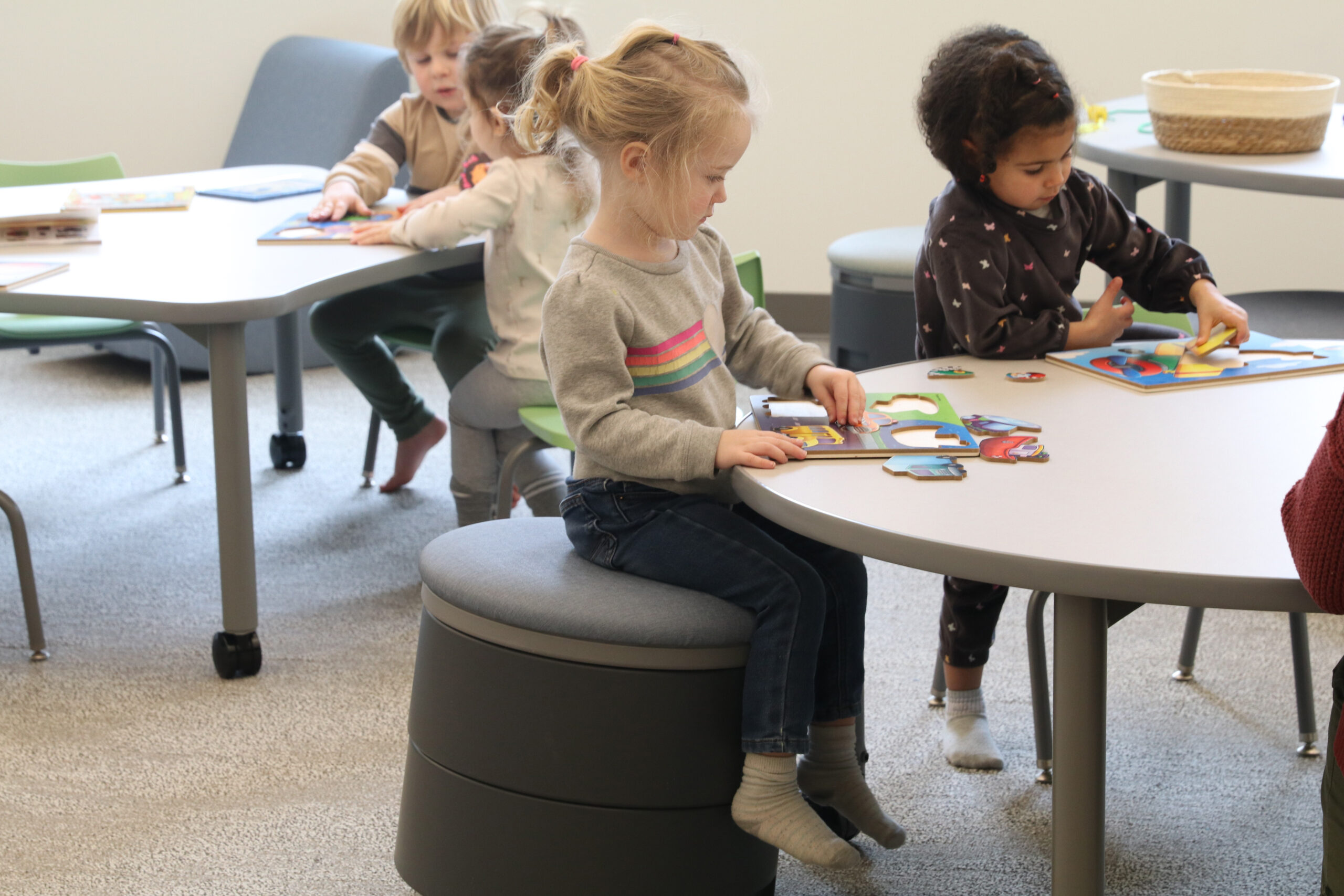
From the outset, the Village was envisioned as more than a school, a vibrant, mixed-use community build where early education, arts, culinary experiences, outdoor spaces and gathering places coexist. The early childhood education center became the first program to open, designed with inspiration from the Reggio Emilia philosophy, where children are seen as capable, curious learners and environments act as co-teachers. Learning here is experiential, relationship-driven, and grounded in exploration, empathy, creativity and a strong sense of belonging.
Video highlights from groundbreaking ceremonies and community events showcase joyful community participation, the transformation of the former school into an inclusive campus, and founders speaking about the project’s purpose as a community hub where wellness, creativity, connection and early learning intersect.
Since opening, the school has welcomed its first cohort of learners with music, laughter, and hands-on experiences, solidifying Kintsugi Village as a living ecosystem, a place where education, art, community and care are woven into everyday life, honoring both personal stories and collective growth.

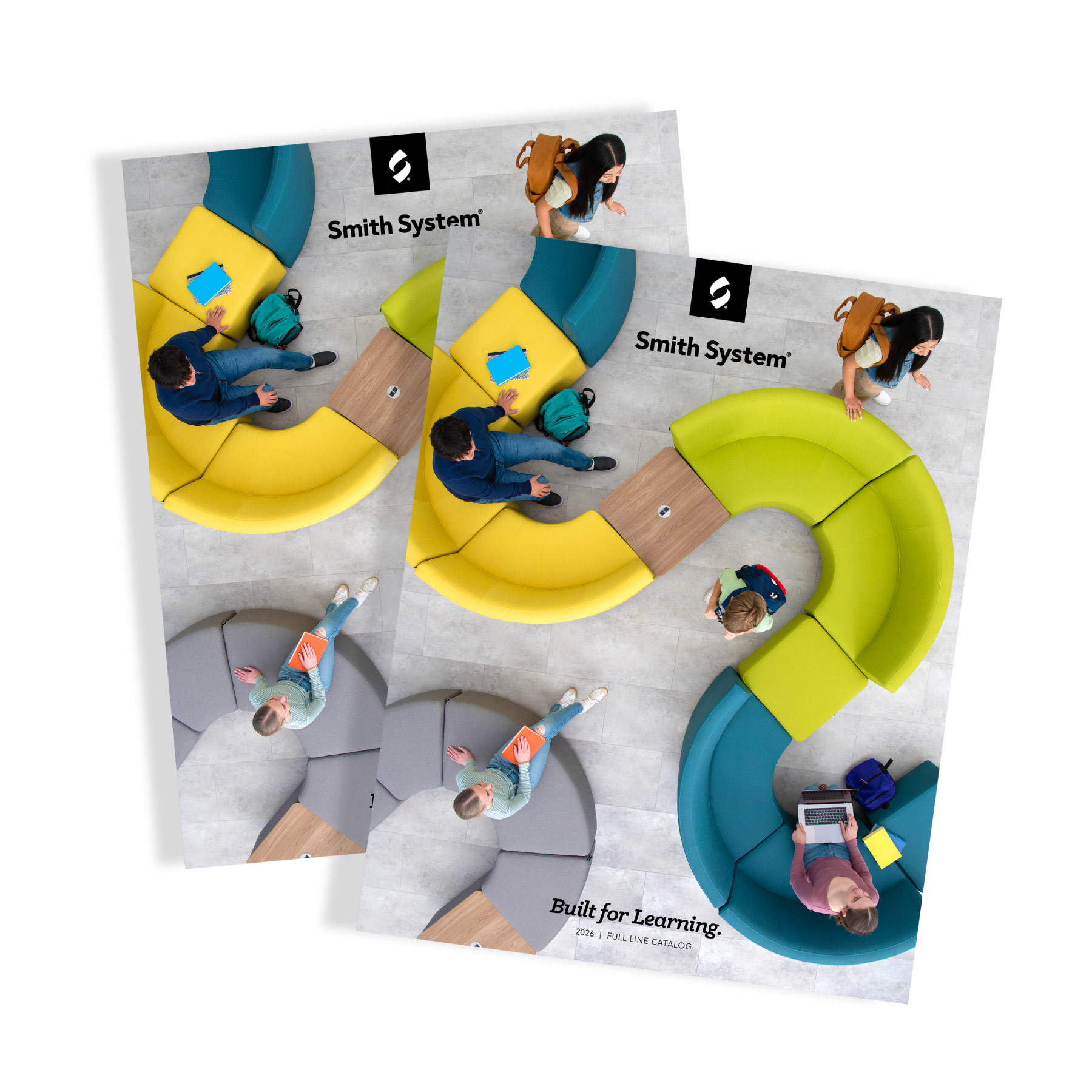
View our 2026 Catalog
Recent Posts
 Smith System Partners with The Design Besties and School Specialty to Bring Grizzlies Prep Library to Life
 Design Without Limits: Creating Schools That Feel Like Home with Custom Materials
 Back-to-School Classroom Tips That Set Students Up for Success
 Designing for Early Childhood: How Environment Shapes the Way Young Children Learn
 The Importance of School Furniture in Inclusive and Special Education Classrooms
 Designing CTE and Makerspaces for Learning Real-World Skills
 Designing Classrooms Around How Students Learn: The 4 Pillars
 Student-Centered Layouts & Storytelling