The Importance of School Furniture in Inclusive and Special Education Classrooms
When we talk about the ingredients for a successful classroom, we often focus on curriculum, teaching strategies, and classroom management. But there's a critical element that often gets overlooked: school furniture.
Far more than just tables and chairs, the furniture in a classroom shapes how students learn, interact, and feel. This is especially true in inclusive classrooms, where students of all abilities learn together, and in special education resource rooms, which serve students with more individualized support needs.
Supporting Engagement and Focus
General Education Inclusion Classrooms:
In an inclusive setting, students with and without disabilities share the same space. A well-designed classroom must accommodate a wide range of physical, sensory, and learning needs.
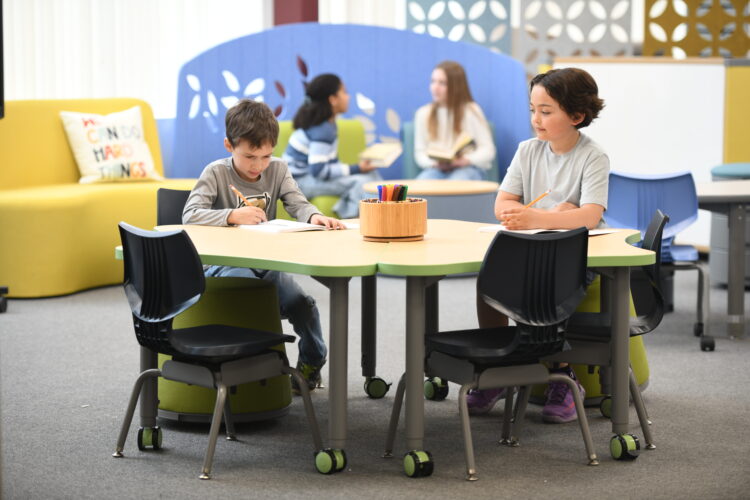
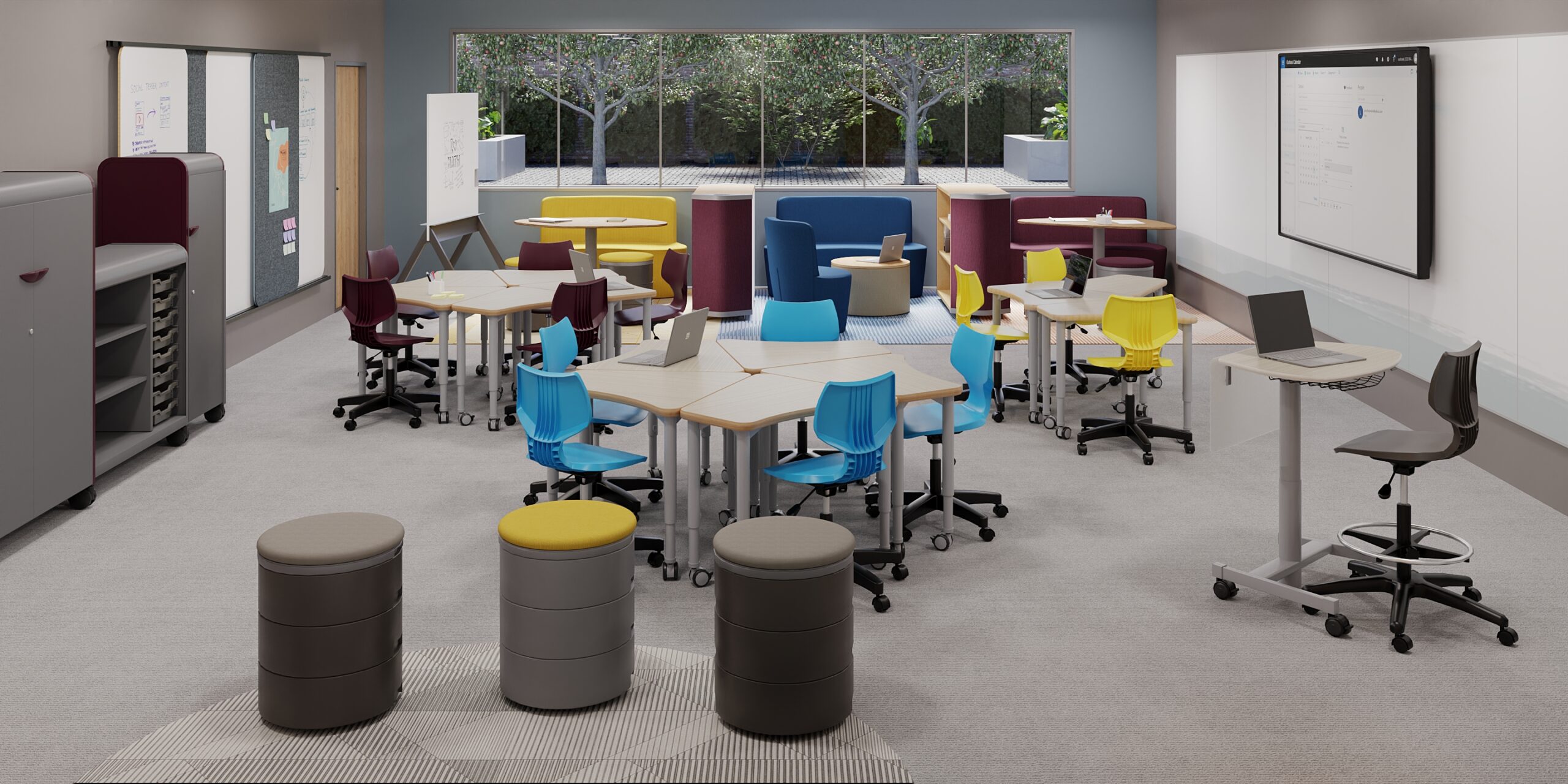
- Provide flexible seating options like Oodle stools, Isle floor cushions, and standing desks that allow students to choose how they work best.
- Adjustable desks and chairs support students of various sizes and physical needs to work comfortably.
- Collaborative furniture encourages group work and peer interaction, which are essential to inclusive learning. Every student brings a distinct set of strengths, experiences, and insights to the group dynamic.
Special Education Resource Rooms:
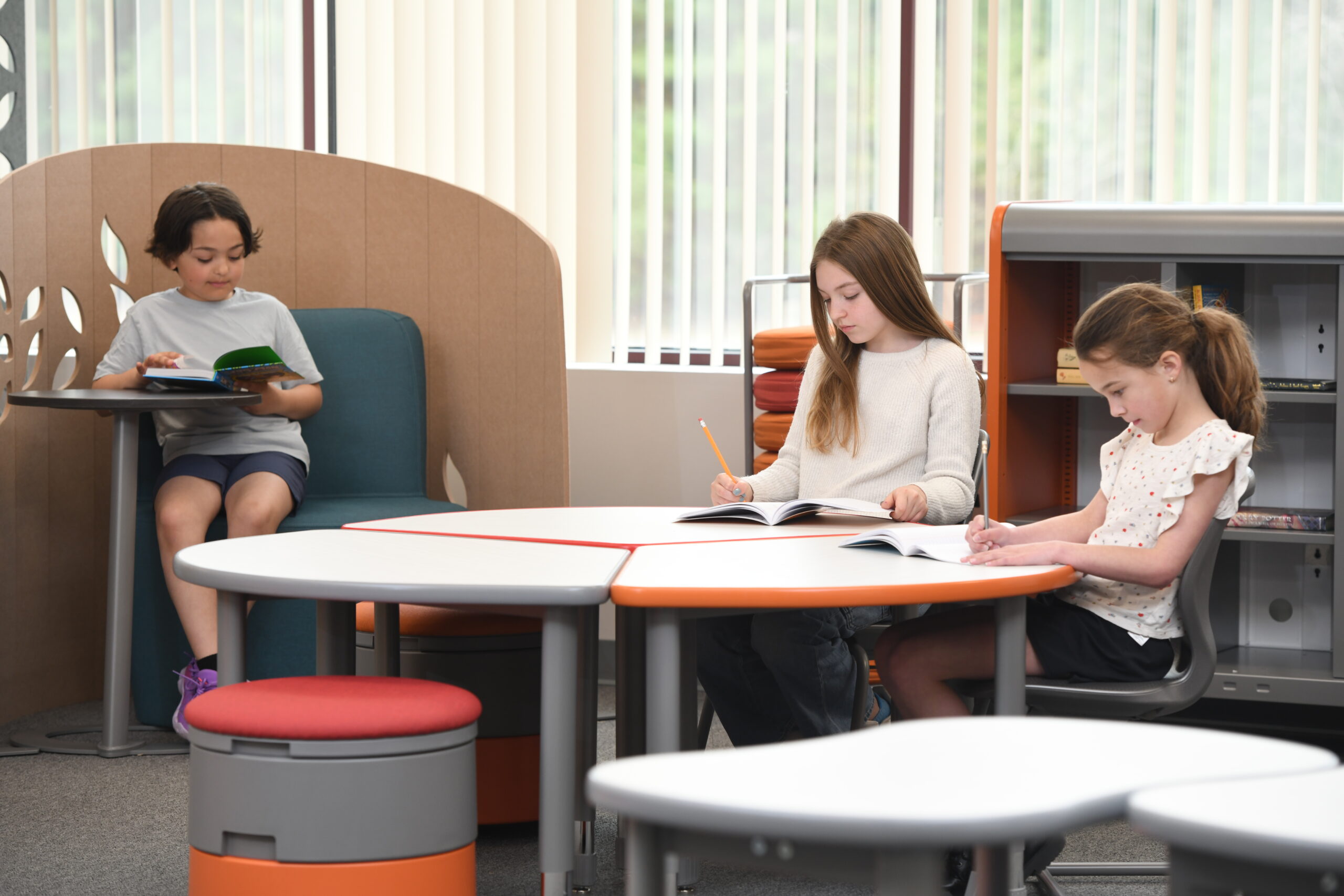
In a resource room, where students often receive pull-out support, furniture should be purposefully designed to help them focus and feel safe.
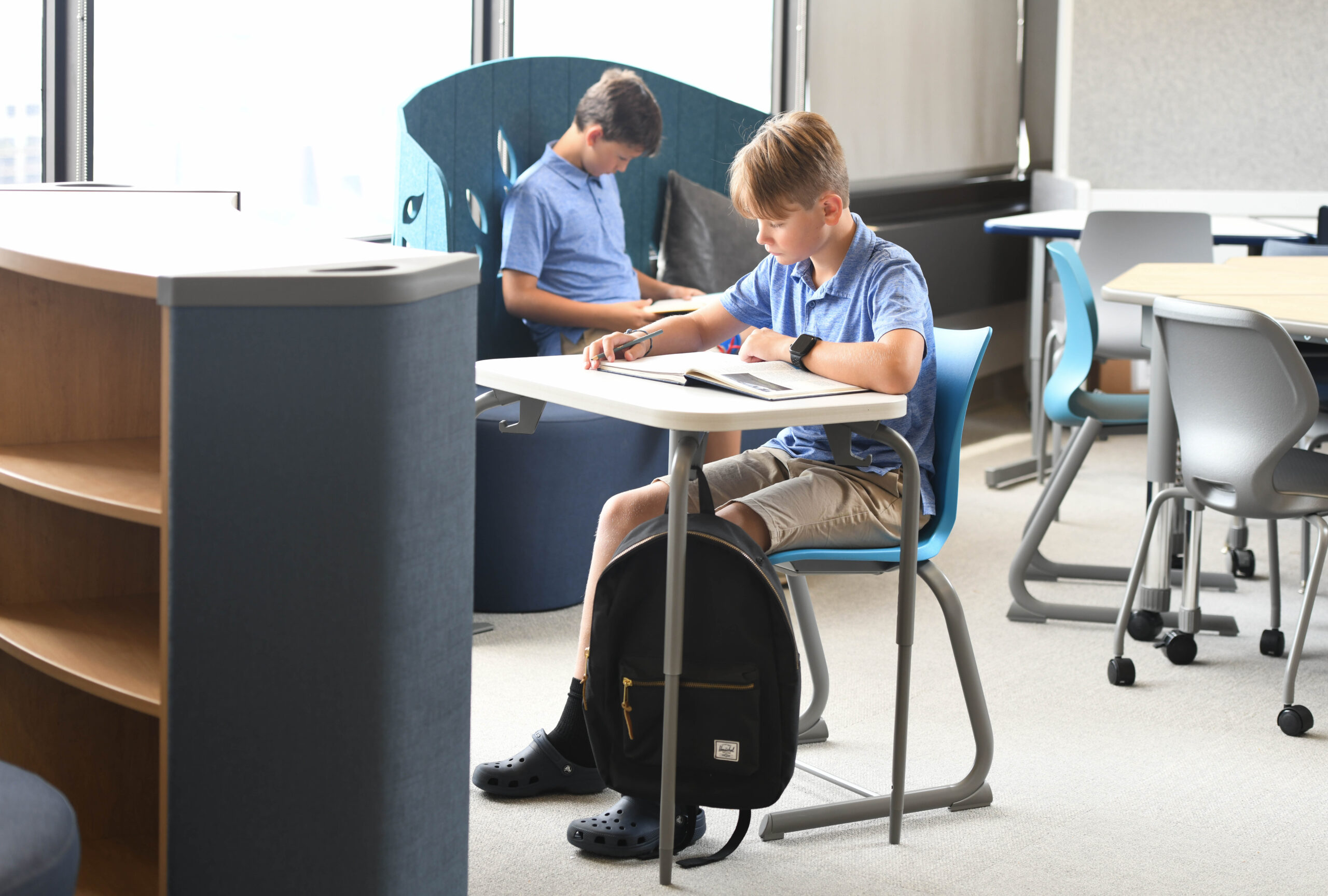
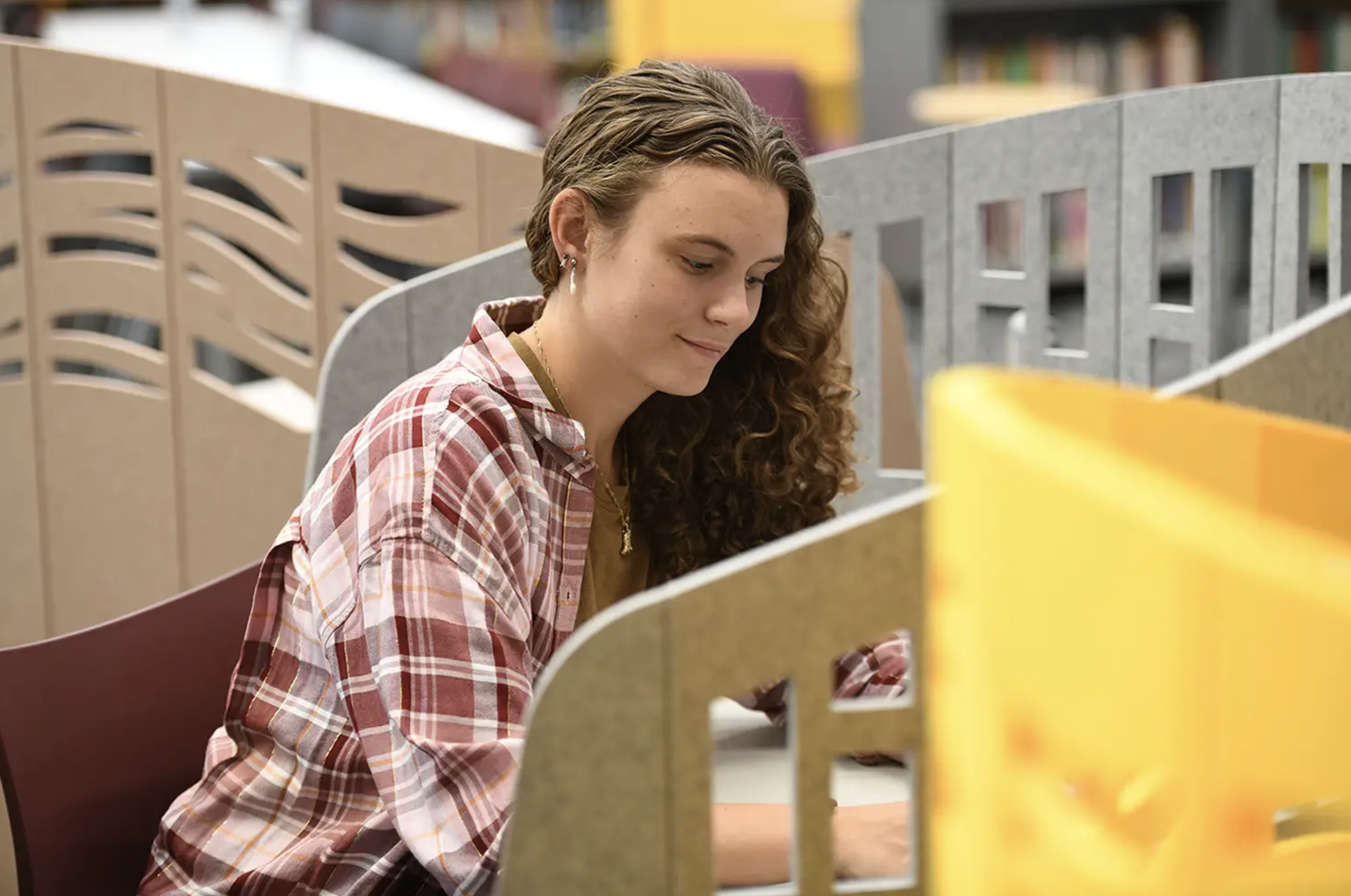
- Defined workspaces with dividers or corner desks can reduce visual distractions.
- Soft seating options and sensory-friendly furniture help students regulate emotions and behavior.
- Adjustable furniture ensures comfort for students with physical or orthopedic challenges.
When furniture fits a student’s physical and sensory needs, it sends a powerful message:
You belong here.
Enhancing Safety and Accessibility
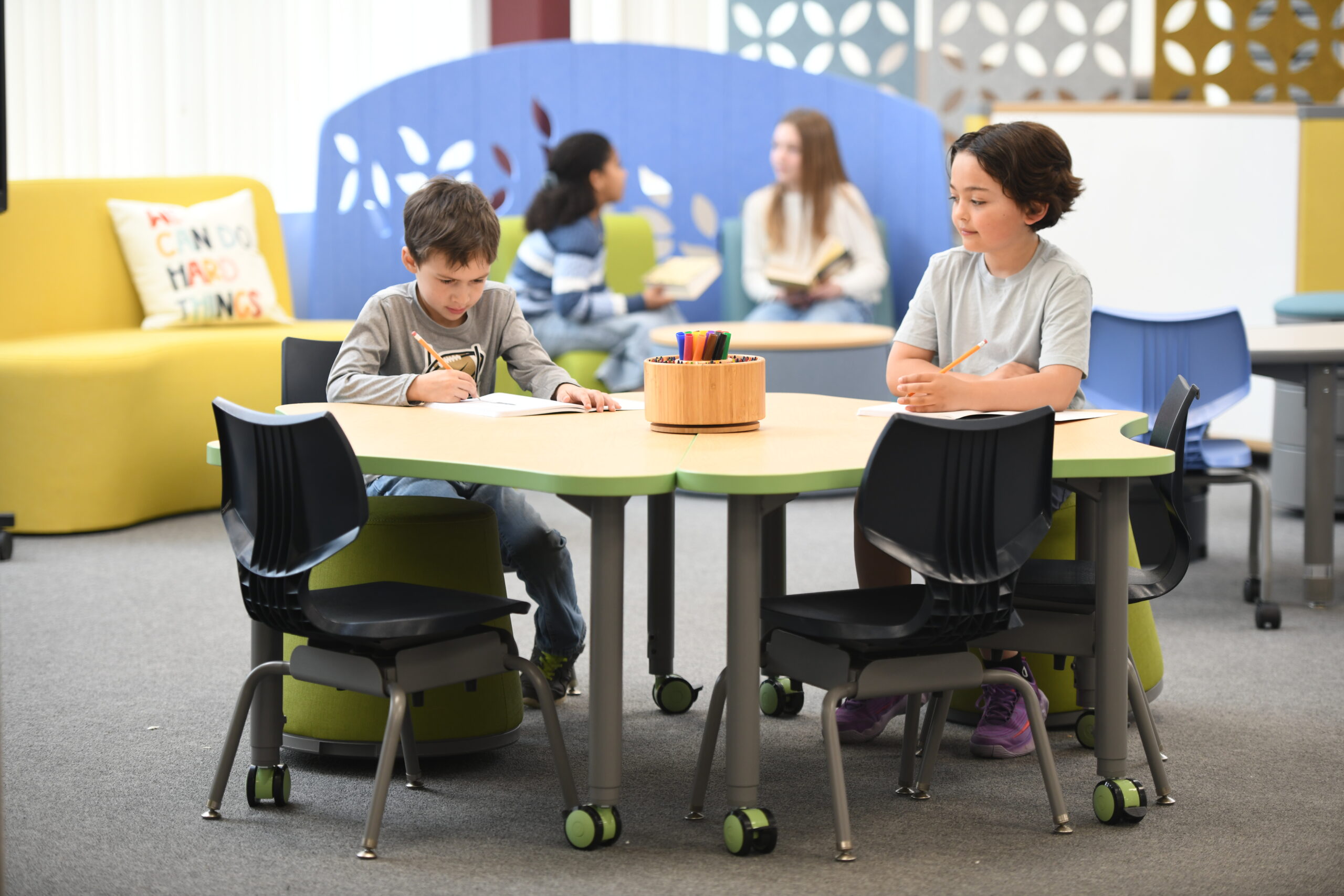
Accessibility is a legal requirement, but also a moral one. Furniture must allow all students to safely navigate and use the classroom.
- Wide pathways between desks accommodate wheelchairs and mobility devices.
- Rounded furniture edges, non-slip surfaces, and sturdy designs reduce the risk of injury, especially for students with sensory or motor challenges.
- Height-adjustable tables make it easier for students who use assistive technology or alternate seating to participate fully.
Adaptive Workspaces that Support Every Learning
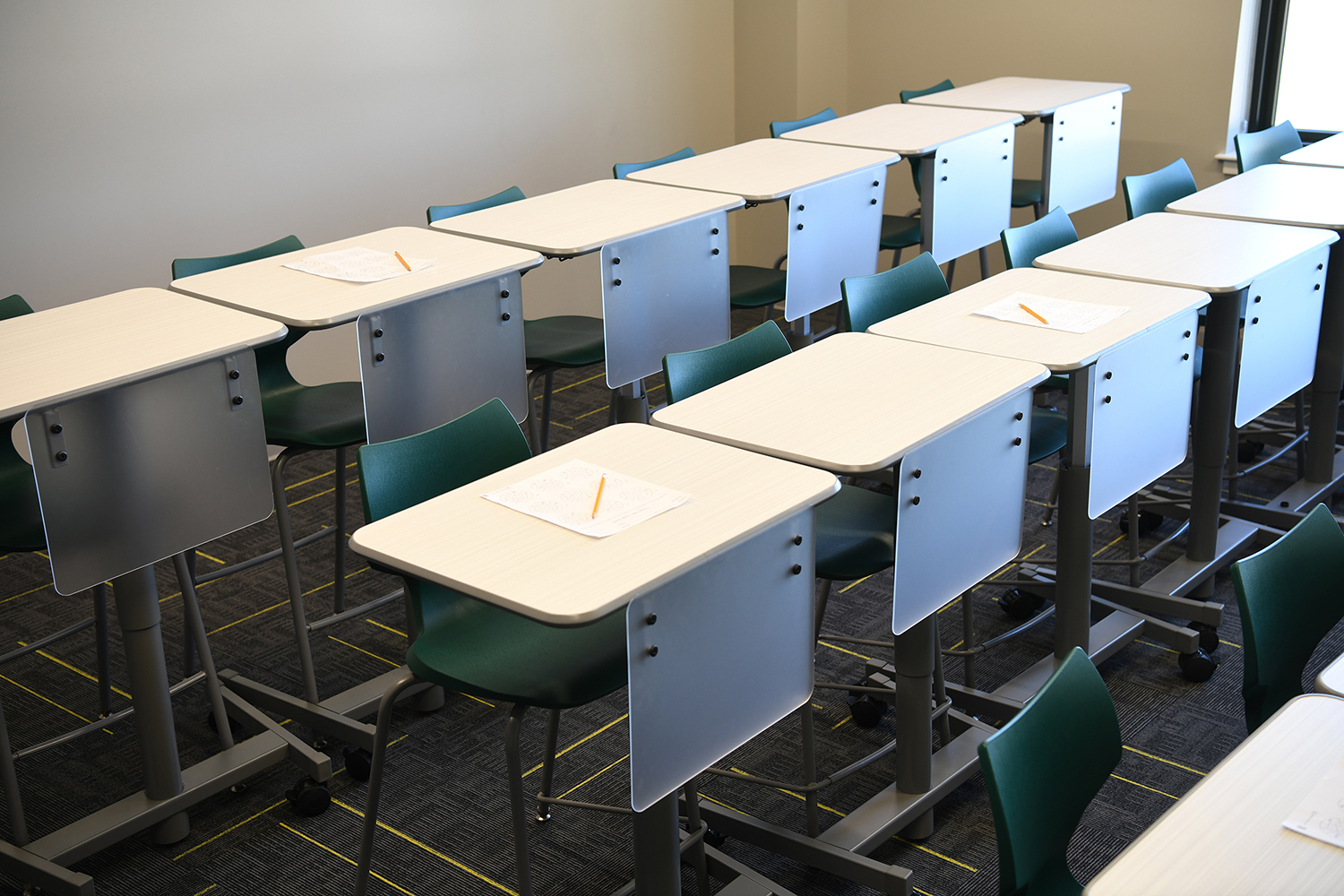
Customizable setups like desks that tilt between 20 to 35 degrees, can make a meaningful difference in student participation, especially for those with writing challenges or therapeutic needs. These angled surfaces support better posture, reduce fatigue, and help students stay more focused and engaged.
- Promotes better wrist extension and reduces fatigue during fine motor tasks.
- Improves visual tracking and reduces neck strain by positioning materials closer to eye level.
- Supports students with handwriting difficulties, motor delays, or those who need better workspace organization.
Encouraging Inclusion Through Design
Furniture can be a powerful visual cue for inclusion.
- In a general ed classroom, placing all students at the same type of desk or in similar seating avoids singling out those who require special supports.
- In a resource room, providing furniture that mirrors the general ed setup helps students transition more easily between environments.
When furniture is intentionally chosen rather than retrofitted as an afterthought, it communicates that every student’s needs were considered from the start.
Activities Come to Life with Smith System Furniture
Smith System designs furniture that adapts to the dynamic nature of today’s classrooms by supporting a variety of instructional methods and learning styles. Here are just a few ways our flexible, ergonomic furniture enhances learning activities in both general and special education spaces:
1. Sensory and Focus Areas with Soft Rockers & Flowform Seating
In both inclusion and resource rooms, Flowform Soft Rockers or Flowform Seating can create calming spaces for students who need a sensory break. By incorporating soft, movable furniture, educators can support students’ emotional needs without isolating them from the learning environment.
- Self-regulation activities
- Quiet reading zones
- De-escalation spaces
Creating designated retreat areas within the classroom allows students to stay engaged in the learning environment, even when they need a break. While they may only be able to hear and retain a small portion of the instruction, sometimes as little as 10%, this is still far more than what they would absorb if removed from the classroom entirely.
2. Create Sensory Smart, Student Engaged Spaces with Flowform Screens
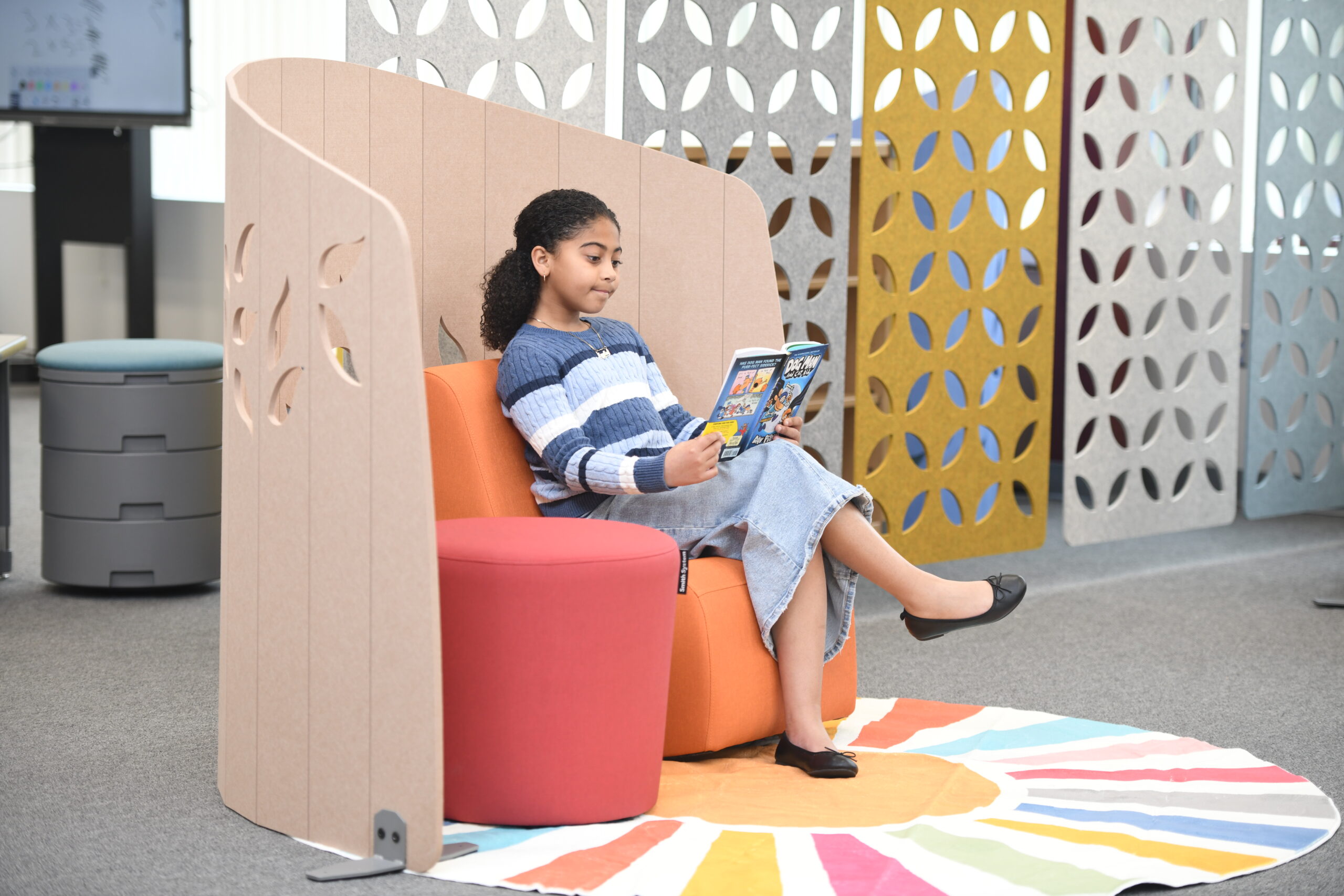
Flowform Screens are excellent tools for helping students self-regulate, refocus, and feel secure within their learning environments. Beyond creating calming spaces, they can also be incorporated into fun, hands-on sensory activities.
- Students can practice fine motor skills by lacing ribbons or strings of different sizes, shapes, and textures through the various leaf-shaped cutouts.
- Encourage hand-eye coordination by passing small balls through the screen’s bubble openings.
- Blow up balloons and have students tap them up and over the screen to a partner. This activity promotes movement, encourages collaboration, and helps develop hand-eye coordination.
3. Organized Transitions with Cascade and Constellate Storage
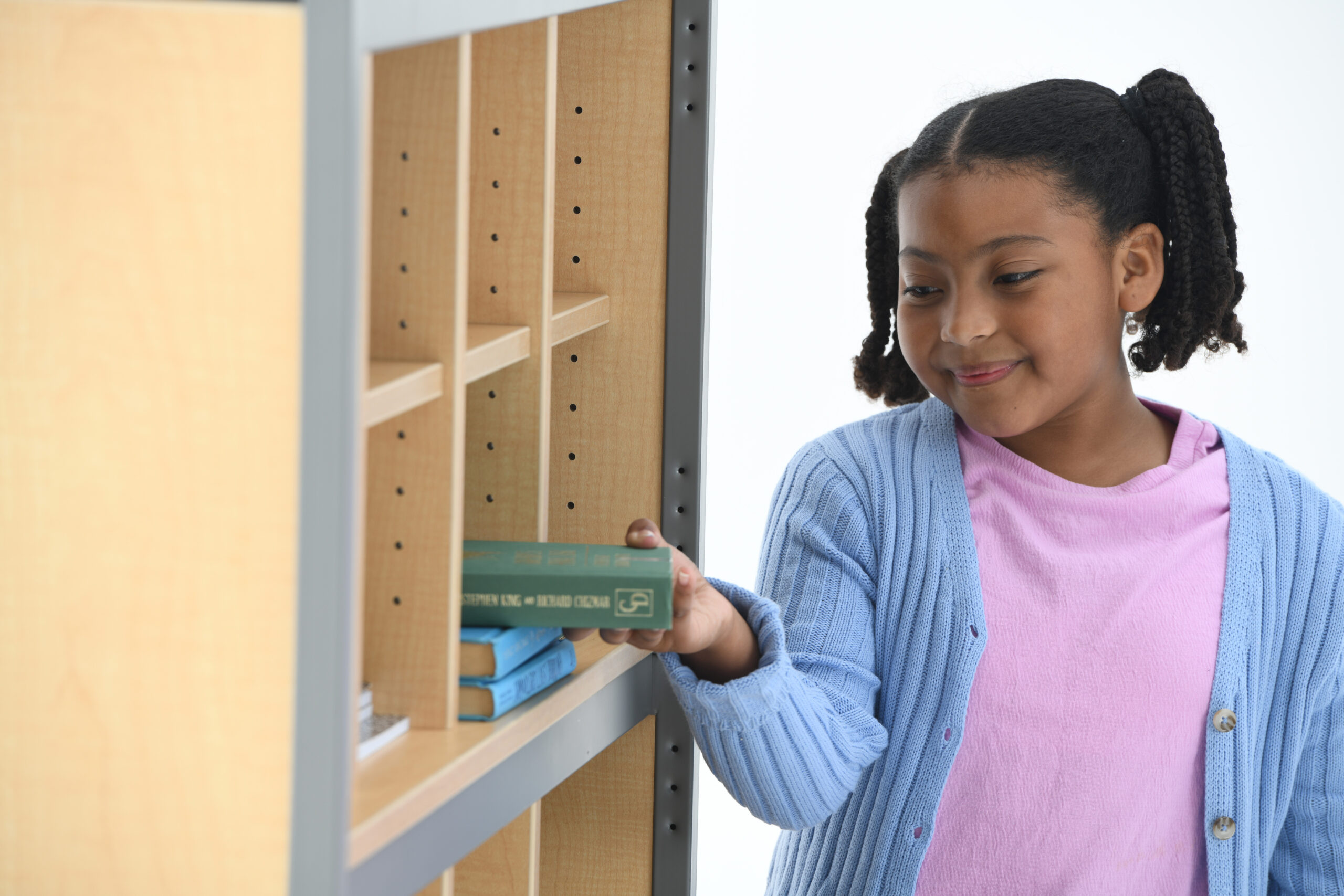
For students who thrive on structure and predictability, Cascade and Constellate Storage Units make a huge difference. Organized storage is a simple but powerful way to create smooth, supportive, and learner focused classrooms.
- Daily materials and tools that are well organized help teachers and support staff to quickly access what they need without wasting precious instructional time searching.
- IEP (Individualized Education Plan)-specific tools should be organized in predictable locations to help maintain structure for students who thrive on routine. Consistent access to these supports reduces anxiety and increases engagement by helping students know what to expect and how to find all their supportive materials and technology.
- Clearly labeled accessible storage encourages students, especially those with special needs, to find and manage their own materials. This fosters independence, builds confidence, and helps develop executive functioning skills like organization and task management.
Supporting Educators, Too.
The right furniture doesn’t just benefit students—it also empowers teachers and support staff.
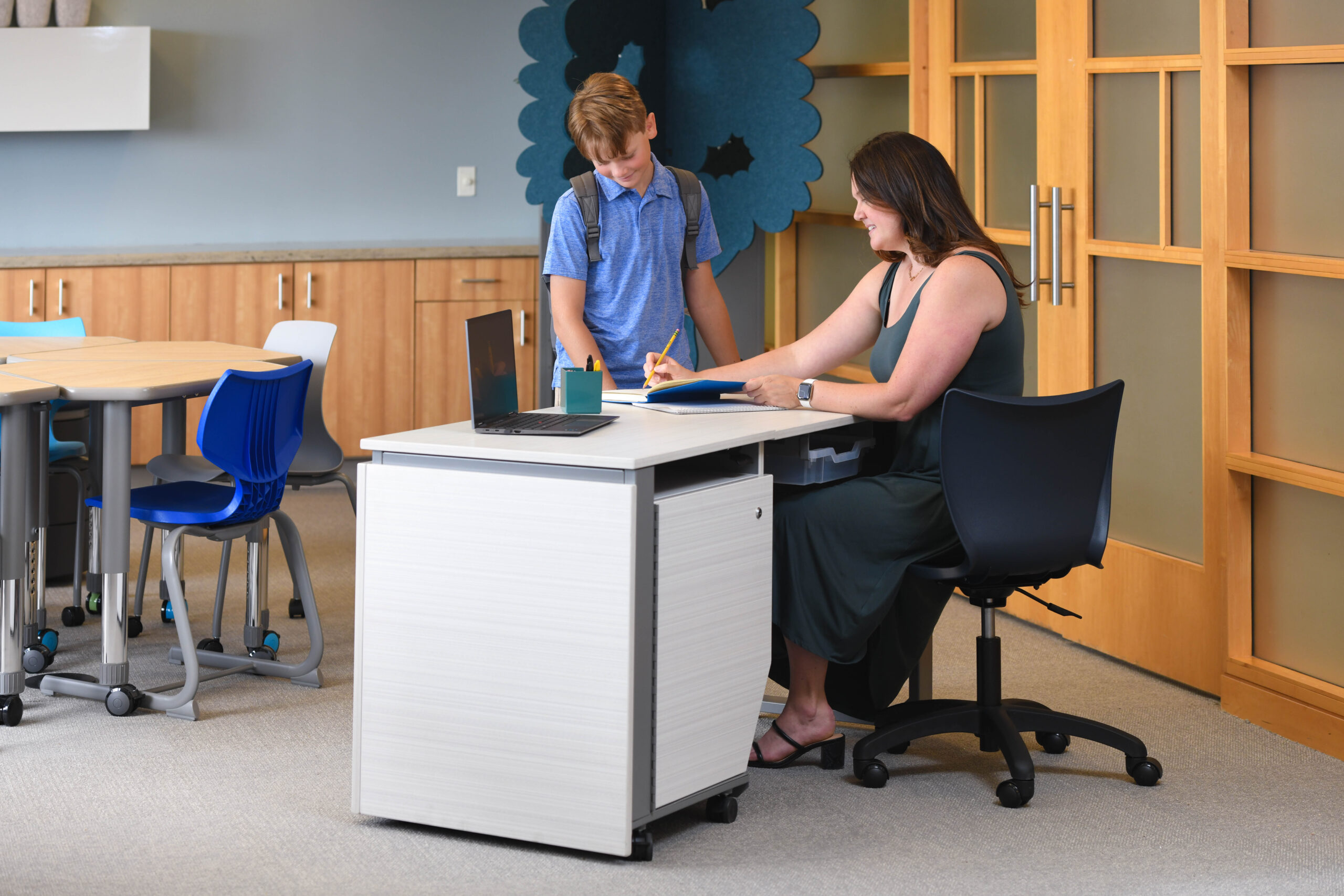
- Mobile workstations, lockable storage, and adaptable teaching zones make it easier to provide individual student instruction and manage materials.
- In special education settings, spaces for therapists or aids to work collaboratively with students are essential.
- When students have a range of learning levels, teachers need a dedicated, comfortable space to work with small groups—one that supports both the teacher and students during focused, differentiated instruction.
Furniture may seem like a small detail in the grand scheme of education, but it plays a big role in creating classrooms that are inclusive, supportive, and effective for every learner.
By investing in thoughtful, flexible, and accessible furniture, schools send a clear message: All students deserve to learn in an environment designed with them in mind.

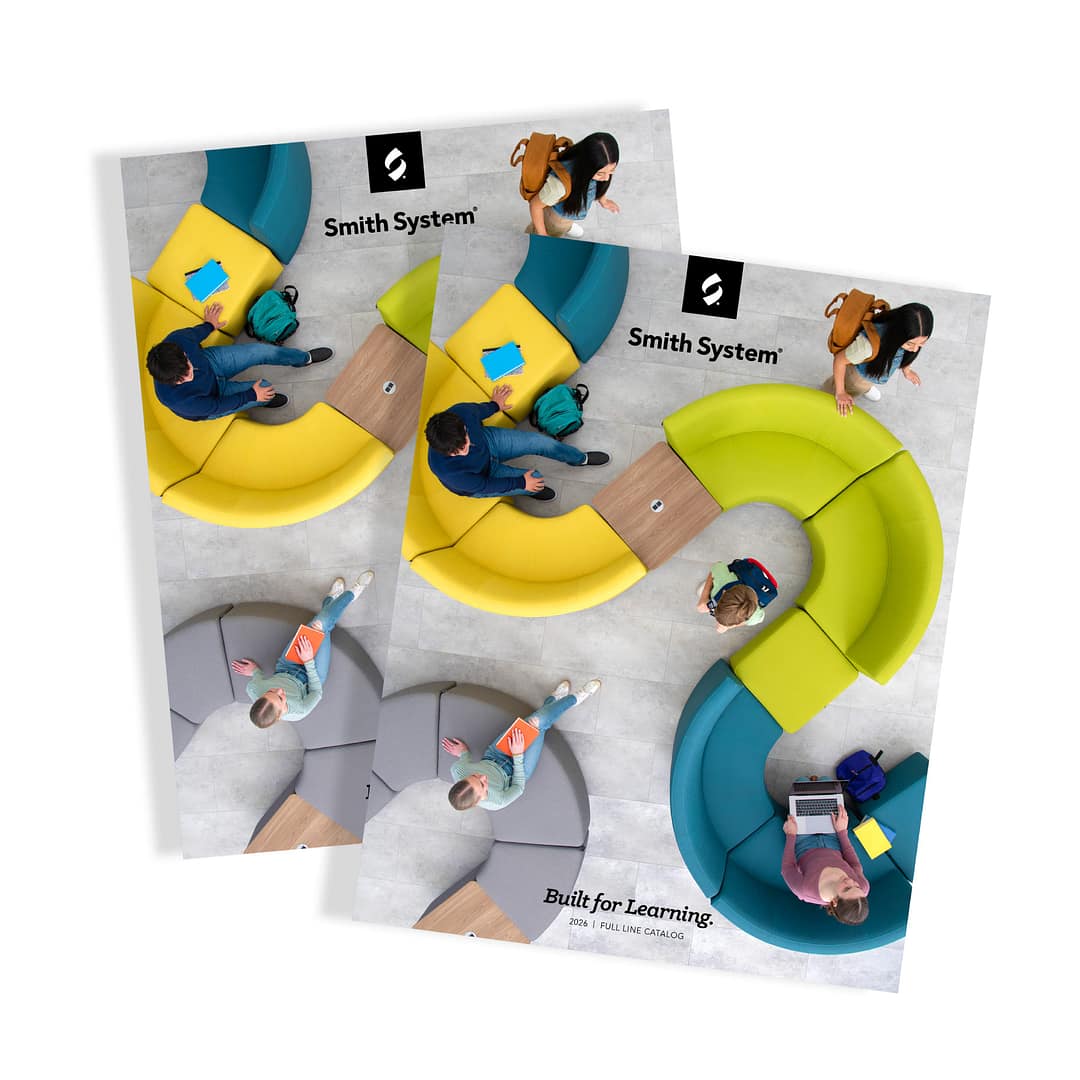
View our 2026 Catalog
Recent Posts
 Smith System Partners with The Design Besties and School Specialty to Bring Grizzlies Prep Library to Life
 Design Without Limits: Creating Schools That Feel Like Home with Custom Materials
 Back-to-School Classroom Tips That Set Students Up for Success
 Designing for Early Childhood: How Environment Shapes the Way Young Children Learn
 Designing CTE and Makerspaces for Learning Real-World Skills
 Designing Classrooms Around How Students Learn: The 4 Pillars
 Student-Centered Layouts & Storytelling
 Designing for Decades: The Future of Sustainable Learning Environments